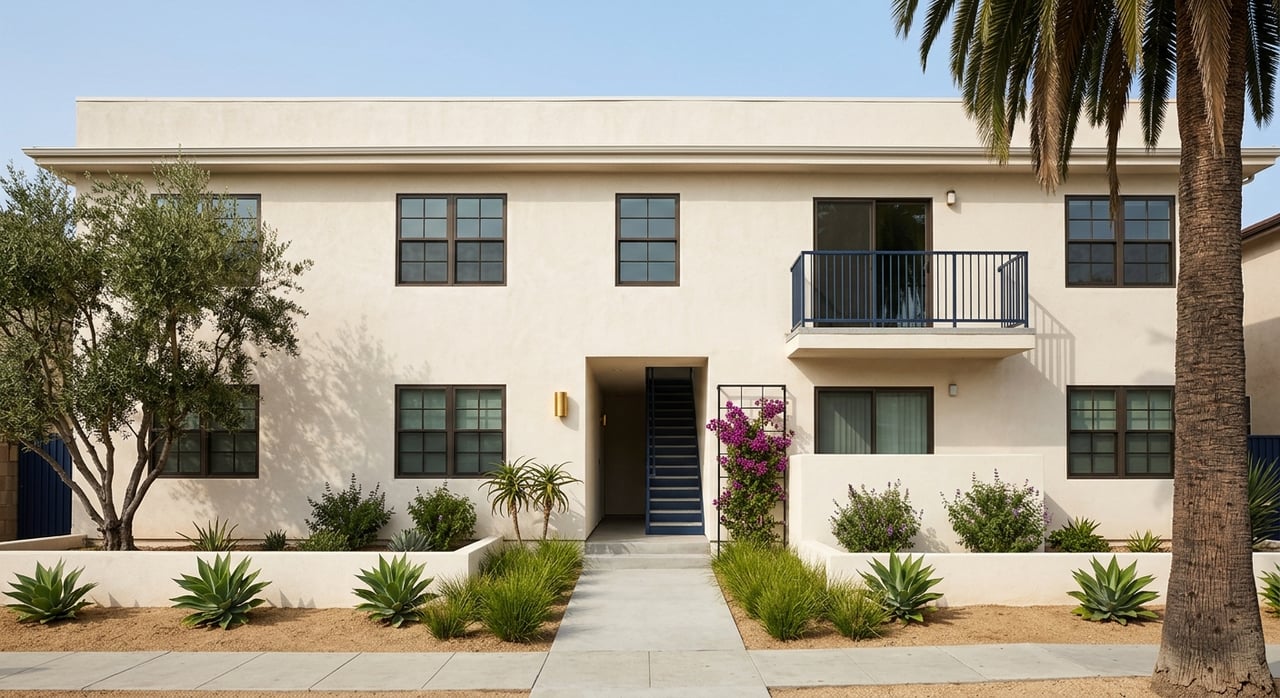
Selling a South Los Angeles apartment building can get complicated fast when multiple offers hit your desk. The highest number on page one is not always the best outcome for you, especially when transfer taxes, contingencies, tenant-related diligence, and closing risk start to affect your real net. If you want to choose the offer that is most likely to close cleanly and protect your bottom line, this guide will show you what to compare and why it matters. Let’s dive in.
Start With Your Net Proceeds
When you review offers on an apartment building in South Los Angeles, your first step should be looking past the headline price. A stronger offer is the one that leaves you with the best net result after transfer taxes, closing costs, prorations, and any seller credits the buyer requests.
For properties in the City of Los Angeles, transfer taxes can meaningfully change your net sheet. The city imposes a base real property transfer tax of 0.45%, and Measure ULA adds an extra tax on qualifying conveyances above the applicable threshold. That means two offers that look close on price can produce very different results once taxes and credits are factored in.
A clean way to compare offers is to line them up side by side and ask a simple question: What do you actually keep at closing? That number usually tells you more than the top-line purchase price.
Review Local Regulatory Status Early
In South Los Angeles, regulatory status can change how a buyer values your building and how smoothly escrow moves forward. If your property is inside the City of Los Angeles, buyers will likely look closely at whether the building falls under the Rent Stabilization Ordinance, often called RSO, or the Just Cause Ordinance.
According to the Los Angeles Housing Department, rental units built on or before October 1, 1978 may be subject to RSO, which regulates rents and evictions. LAHD also states that the Just Cause Ordinance covers most properties not regulated by RSO. For sellers, this matters because buyers who understand the building’s status usually underwrite more accurately and are less likely to renegotiate later.
LAHD also requires annual rent registry reporting, including rent amounts and tenancy information. If a buyer has already reviewed rent control status, registration records, and the property’s code history, that offer may carry less execution risk than a higher offer from a buyer still figuring out the basics.
Check Rent Registry And Code History
A serious apartment buyer should do more than glance at your rent roll. In the City of Los Angeles, rent registry compliance and code-enforcement history can affect both pricing and the buyer’s confidence during escrow.
LAHD states that registration is complete only when all fees, rent amounts, and tenancy information are provided. If there are gaps or unresolved issues, a buyer may ask for credits, more time, or additional documentation before moving forward.
The Property Activity Report is also important because it summarizes code-enforcement inspection history for the property. Repeated complaints, open citations, or unresolved issues can create friction in the transaction, so an offer from a buyer who has already reviewed these items may be more reliable.
Weigh Financing Strength Carefully
Financing can make or break an apartment deal. A financed offer is not necessarily weak, but you should look closely at how prepared the buyer is and whether their lender appears ready for the type of property you are selling.
California DRE materials note that a contract normally contains a financing contingency unless the buyer is paying all cash. A preapproval letter can help show seriousness, but it is not a guaranteed loan. That means you should pay attention not just to whether financing is mentioned, but to how credible the financing plan appears.
In practical terms, a lower all-cash offer may beat a higher financed one if the cash buyer can close with fewer delays and less uncertainty. If a financed buyer has strong lender communication, a clear timeline, and experience with multifamily transactions, that can improve the strength of the offer.
Compare Contingencies, Not Just Price
Contingencies are one of the biggest reasons deals slow down or fall apart. When you compare offers, focus on the type of contingencies, how long the buyer has to remove them, and whether the buyer has likely done enough homework to meet those deadlines.
Inspection and financing contingencies are common. California DRE guidance explains that the buyer typically gets a set period to inspect the property, request repairs, proceed, or cancel. Shorter contingency periods can be attractive, but only if the buyer is actually prepared to perform.
For apartment buildings, that preparation often means reviewing leases, the current income and expense statement, title, and tenant-related documentation early. A buyer offering a short contingency window without doing real diligence may create more risk than a buyer who submits a slightly longer but more realistic timeline.
Look At Deposit And Closing Timeline
The deposit tells you how much skin in the game the buyer has. The closing timeline tells you whether the buyer’s plan matches your goals and whether the deal is likely to stay on track.
DRE guidance notes that offers usually set deadlines for acceptance, escrow instructions, and close of escrow, and that time is of the essence under the contract. Once the contract becomes binding, the buyer’s failure to complete the purchase can put the deposit at risk, so deposit size and terms deserve careful review.
If you need a fast sale, a buyer with a realistic short close may have an edge. If you need more time to coordinate a move, complete another purchase, or prepare for a 1031 exchange of your own, the right closing date may matter as much as price.
Consider The Buyer’s Multifamily Experience
Apartment-building sales involve more moving parts than many smaller residential transactions. Leases, rent rolls, income and expense statements, tenant notices, title issues, and regulatory records all affect the handoff.
Because of that, buyer experience matters. A buyer with local multifamily experience, a responsive lender, and a solid escrow team is often better positioned to close without unnecessary surprises.
This does not mean an experienced buyer always wins. It means that when offers are close, the buyer’s ability to handle a multifamily transaction can be a practical indicator of execution risk.
Watch For 1031 Exchange Timing
If a buyer says the purchase is part of a 1031 exchange, treat that as a key deal term, not just a side note. Exchange buyers can be very motivated, but their timing requirements need to line up with your sale.
IRS instructions state that replacement property must be identified within 45 days after the relinquished property is transferred and received within 180 days, or by the tax return due date, whichever is earlier. You should also find out whether the buyer has a qualified intermediary in place.
A well-prepared exchange buyer can be strong because the motivation to close is often high. But if the exchange timeline is unclear or the buyer has not lined up the right parties, the offer may carry more risk than it first appears.
Request The Right Due Diligence Items
Before you rank offers, make sure you have the documents needed for a fair comparison. Apartment buyers in South Los Angeles typically need a solid package of operating and property records to underwrite the building properly.
Important items often include:
- Rent roll
- Leases
- Current income and expense statement
- Tenant notices
- Any buyout history that may affect cash flow or turnover
- Preliminary title report
- Rent registry status
- Property Activity Report or code-history records
When this information is organized early, buyers can make cleaner offers and remove contingencies with more confidence. That tends to reduce retrading during escrow.
Don’t Miss Pre-1978 Lead Disclosures
If your building was built before 1978, lead-based paint rules can affect both timing and diligence. This is not something to leave until the last minute.
EPA guidance says sellers must disclose known lead-based paint information before the buyer is obligated under contract, provide available records and reports, include building-wide records for multi-unit buildings when available, and give buyers a 10-day inspection window unless the parties agree otherwise. For apartment sales, that can shape both offer terms and the escrow schedule.
If one buyer has already accounted for these disclosure requirements and another has not, the first offer may be more dependable even if the price is slightly lower.
Use A Simple Offer Scorecard
When several offers are in play, emotions can take over quickly. A simple scorecard helps you compare each offer on the factors that actually drive a successful closing.
You can rank each offer based on:
- Net proceeds
- Financing certainty
- Contingency length
- Deposit strength
- Closing date
- Buyer multifamily experience
- Regulatory and diligence friction
This approach helps you see why a lower offer may outperform a higher one. In South Los Angeles, the best offer is often the one with the strongest mix of price, certainty, timing, and manageable post-acceptance friction.
A Few Common Offer Scenarios
Here is how this can look in real life. These examples are not rules, but they show how structure can matter as much as price.
Lower Price, Cleaner Terms
Offer A comes in a bit lower, but it is all cash, has a short inspection period, and no request for seller credits. If your priority is certainty and speed, this offer may produce the best real outcome.
Higher Price, More Friction
Offer B offers more money, but includes longer financing and inspection contingencies plus a request for seller credits. That higher number may shrink quickly if delays, renegotiation, or tax and cost adjustments reduce your net.
Strong 1031 Buyer
Offer C is tied to a 1031 exchange, but the buyer has a clear deadline, a qualified intermediary, and funds or financing lined up. If the timing works for you, this can be a very competitive offer because the buyer may be highly motivated to perform.
Why Strategic Review Matters
Evaluating offers on a South Los Angeles apartment building is not just about choosing the biggest number. It is about understanding how local regulations, taxes, contingencies, disclosures, and buyer readiness all affect your result.
A careful review can help you avoid escrow delays, reduce renegotiation risk, and choose the buyer most likely to close on the agreed terms. That is especially important for multifamily owners balancing tenant issues, property records, and timing around reinvestment or estate planning.
If you are preparing to sell or want a second opinion on how to rank competing offers, Evans Investment Group can help you evaluate pricing, structure, and execution risk with a multifamily-focused strategy.
FAQs
What is the most important factor when evaluating offers on a South Los Angeles apartment building?
- The most important factor is usually your net proceeds after transfer taxes, closing costs, prorations, and credits, combined with how likely the buyer is to close on time.
How does rent control affect offers on a Los Angeles apartment building?
- For properties in the City of Los Angeles, RSO or JCO status can affect rents, underwriting, and buyer confidence, which can directly influence pricing and contingency terms.
Why can a lower offer be better on a South Los Angeles multifamily sale?
- A lower offer can be better if it has stronger financing or cash terms, fewer contingencies, a better deposit, and a cleaner path to closing.
What documents should sellers gather before reviewing apartment-building offers?
- Sellers should be ready with items such as the rent roll, leases, current income and expense statement, tenant notices, title information, rent registry status, and code-history records.
What should sellers ask a 1031 exchange buyer before accepting an offer?
- Sellers should ask whether the buyer has a qualified intermediary in place and whether the proposed closing date fits the buyer’s 45-day and 180-day exchange deadlines.
Do pre-1978 apartment buildings in South Los Angeles need lead disclosures?
- Yes, if the building was built before 1978, sellers must disclose known lead-based paint information, provide available records, and allow the required inspection period unless the parties agree otherwise.