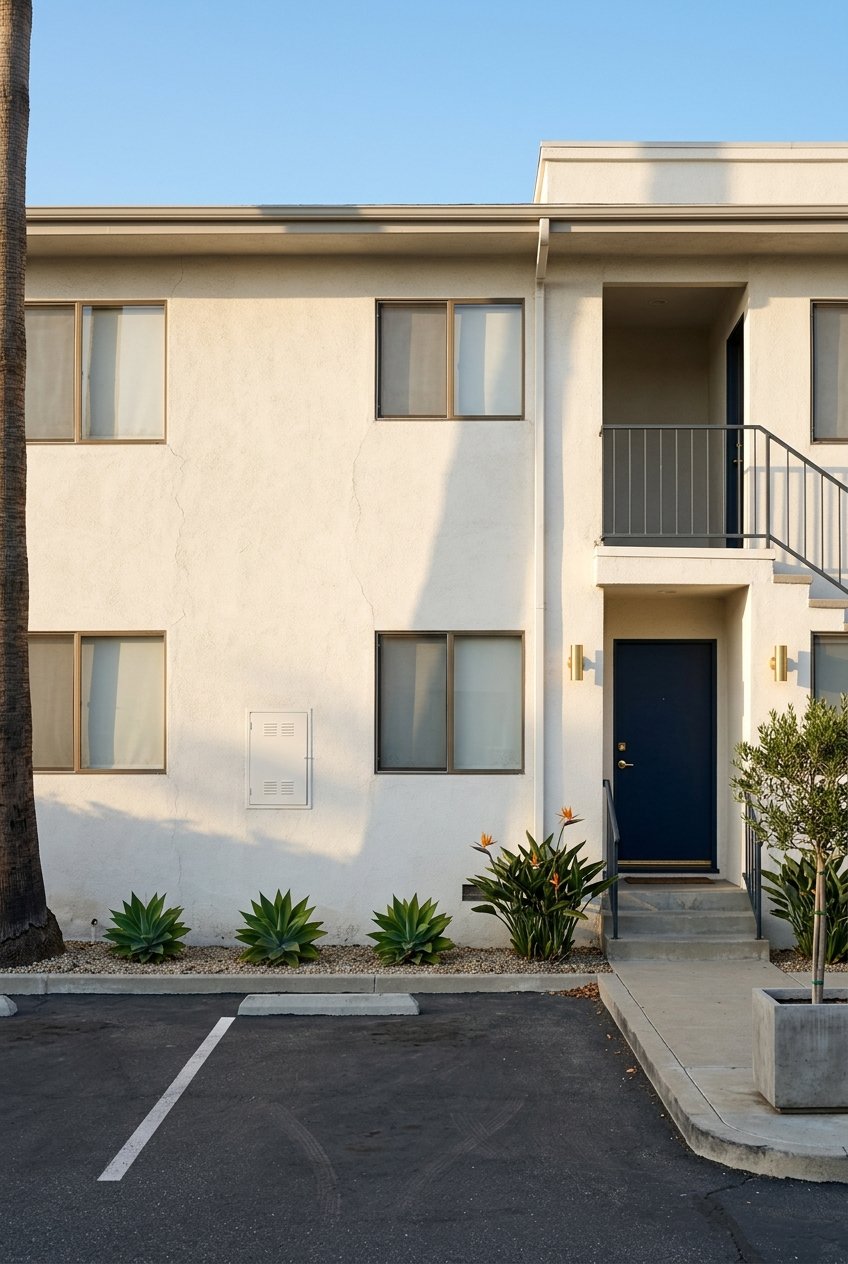
If you want to sell your Ventura County apartment building without avoidable delays, the work starts before the listing goes live. Buyers, lenders, and advisors will look closely at your income records, lease files, property condition, and local compliance, and any gaps can slow negotiations or create last-minute escrow issues. The good news is that a smoother sale is often very achievable when you prepare the building like an asset that is ready to be underwritten. Let’s dive in.
Start With Ventura County Rules
Ventura County is not one single rent-rule environment. Local rules can change from city to city, which means your sale strategy should begin with the exact location of the property, not broad assumptions about countywide standards.
In Oxnard, covered multifamily properties face a 4% annual rent increase cap, and non-exempt rentals must be registered. In Ojai, there is also a 4% cap, along with just-cause protections and relocation assistance. The City of Ventura currently states that it does not have a rent-stabilization ordinance or policy.
That matters if you are discussing future rent increases, tenant turnover, or vacancy timing with a buyer. A strategy that may seem reasonable in one city could be restricted in another, so it is smart to confirm the local rule set before marketing the building.
Know Where State Rules Apply
California’s Tenant Protection Act, often called AB 1482, generally applies to rental units in properties with two or more units that are at least 15 years old, unless an exemption applies. The statewide cap is 5% plus CPI, up to 10% in a 12-month period, and the law also creates just-cause termination rules after 12 months of tenancy.
If your property is in a city with stricter local rules, those local rules may control. This is one reason apartment owners in Ventura County should avoid making assumptions based only on statewide standards.
Understand Disclosure Expectations
For apartment building sales, California’s standard Transfer Disclosure Statement is generally not the main disclosure form because that statute is aimed at single-family residential property, not apartment buildings. Still, California law preserves the duty to disclose facts that materially affect value or desirability.
In practical terms, that means you should not rely on the idea that fewer standard forms mean fewer disclosure responsibilities. If there is a known issue that could affect the buyer’s decision, it should be addressed clearly and early.
Build a Buyer-Ready Financial File
One of the fastest ways to lose momentum in escrow is to make the buyer reconstruct the property’s income story from scratch. Most multifamily buyers, and often their lenders, will compare the rent roll against signed leases, amendments, and payment records.
That review is not just a formality. In lender-style multifamily due diligence, lease audits often reconcile the rent roll to signed leases and review tenant files, renewals, rent trends, cash ledgers or receipts journals, and other income sources such as parking or laundry.
Your goal should be simple: present a clean, current file that supports the numbers being marketed. When the paperwork lines up, the property is easier to evaluate and easier to finance.
Organize These Records Early
Before you bring the property to market, gather and review:
- Current rent roll
- Signed leases for every occupied unit
- Lease amendments and renewal documents
- Security deposit records
- Cash ledger or receipts journal
- Records of other income, such as parking or laundry
- A simple explanation for any mismatch between the rent roll and lease file
If there is a discrepancy, do not hope it will be ignored. It is better to explain it up front than let it become a larger issue during due diligence.
Check Local Compliance Files
If your building is in Oxnard or Ojai, local compliance should be part of your preparation checklist. Oxnard requires rental registration for non-exempt residential property and charges a rent-stabilization fee. Ojai requires landlords to provide tenants with ordinance notices, and local law there can be more restrictive than AB 1482.
For a buyer, missing compliance records can raise questions about operations and future risk. For a seller, cleaning this up before marketing can reduce back-and-forth later.
Fix Condition Issues Before They Become Negotiation Issues
Most buyers expect some wear and tear in an older apartment building. What creates trouble is visible deferred maintenance or unresolved habitability concerns that suggest a larger management or capital issue.
California habitability law requires landlords to maintain safe and well-kept units. That includes effective waterproofing, working plumbing, heating, and electrical systems, clean common areas, garbage receptacles, and floors, stairways, and railings in good repair.
You do not need to make every building look brand new to sell it well. But you should address clear problem areas before the property hits the market, especially anything that could trigger safety, livability, or lender concerns.
Prioritize High-Impact Repairs
Focus first on items that affect underwriting and buyer confidence, such as:
- Roof or waterproofing concerns
- Plumbing leaks or drainage issues
- Heating or electrical problems
- Damaged stairs, railings, or walkways
- Poorly maintained common areas
- Unresolved trash or sanitation issues
These issues tend to invite repair credits, price reductions, or longer due diligence periods. Handling them early can help you maintain stronger negotiating leverage.
Review Permits and Code Status
Apartment owners are often surprised by how often old permits come up in a sale. Buyers commonly want to know whether prior improvements were properly permitted, whether permits received final sign-off, and whether there are any unresolved code-enforcement matters.
In Ventura County, permit timing matters. The county states that a permit expires if work is not started within 12 months or if work is suspended or abandoned for 180 days. The City of Ventura also enforces building code requirements and adopts the California Building Code plus the International Property Maintenance Code.
Before marketing the property, review your file for completed work, open permits, and any missing finals. Even if an issue seems minor, it is usually easier to resolve before the buyer begins asking questions.
If You Planned a Remodel-Based Sale Strategy
Some owners consider major turnover work or a substantial remodel before sale. If that strategy involves notices tied to substantial remodel plans, California now requires more specific support.
According to California Attorney General guidance, a no-fault substantial-remodel notice must describe the work, include copies of required permits, and provide a re-rental opportunity if the remodel is not commenced or completed as stated. If your pre-sale plan touches tenant turnover or remodeling, make sure the supporting documentation is complete.
Prepare Lead-Paint Records for Older Buildings
If your apartment building was built before 1978, lead-based paint disclosure should be prepared early. This is not just a box to check at the last minute.
The EPA requires sellers and property managers to disclose known lead information before sale or lease, provide all available records and reports, and give the lead pamphlet. For multi-unit properties, that can include records involving common areas and other units from building-wide evaluations.
A surprising number of transactions get delayed because the seller has a vague memory of old testing or repair work but cannot locate the underlying records. If your building is older, gather those files now rather than during escrow.
Reduce Escrow Friction Before It Starts
The smoothest apartment escrows usually have one thing in common: the seller answers the buyer’s biggest questions before the first formal document request arrives. That means organizing proof of income, proof of condition, and proof of compliance in one place.
This approach mirrors the way multifamily due diligence is actually performed. It also helps your broker present the property more clearly, defend value more effectively, and keep the transaction moving when questions come up.
Questions Buyers Often Ask
In a Ventura County apartment sale, buyers commonly focus on a few core issues:
- Does the rent roll match the signed leases?
- Do local rent caps or just-cause rules apply?
- Were prior improvements properly permitted?
- Are there unresolved code issues?
- Are lead-paint records complete for older buildings?
If you can answer these questions early and clearly, you reduce surprises and create a more efficient path to closing.
Think Like an Underwriter
A strong sale process is not just about marketing the building. It is about making the asset easy to understand, easy to verify, and easier to finance.
That is especially important for long-time owners who may have managed a property informally for years. What feels normal in day-to-day ownership can look incomplete from a buyer or lender perspective if the records are not organized.
The more you can present your building as a well-documented operating asset, the smoother the sale is likely to be. In many cases, that preparation does not change the market itself, but it can reduce avoidable friction and help preserve value through escrow.
If you are planning to sell a Ventura County apartment building, the right preparation can make a meaningful difference in timing, buyer confidence, and deal execution. Evans Investment Group helps multifamily owners navigate apartment building sales, valuations, acquisitions, 1031 exchanges, and investor strategy across Ventura County and Los Angeles with a practical, advisory-first approach.
FAQs
What should Ventura County apartment owners prepare before listing a building for sale?
- You should prepare a current rent roll, signed leases and amendments, income records, permit and repair documentation, local compliance records, and any lead-paint records that apply to older buildings.
Do Ventura County apartment buildings follow the same rent rules in every city?
- No. Oxnard, Ojai, and the City of Ventura have different local rules and policies, so you should confirm the exact city requirements before discussing rent increases, vacancy timing, or tenant turnover plans.
Does California’s standard Transfer Disclosure Statement apply to apartment building sales?
- Generally, that statute is aimed at single-family residential property rather than apartment buildings, but you still have a duty to disclose facts that materially affect value or desirability.
Why do buyers review leases so closely in a Ventura County apartment sale?
- Buyers and lenders often reconcile the rent roll to signed leases, amendments, and payment records to verify occupancy, rental income, lease terms, and other revenue sources.
What property issues can slow down an apartment building sale in Ventura County?
- Deferred maintenance, open permits, missing permit finals, unresolved code issues, lease file discrepancies, and incomplete lead-paint records for pre-1978 buildings can all create delays or renegotiation during escrow.
What if my Ventura County apartment building is in Oxnard or Ojai?
- You should confirm city-specific compliance items before marketing, such as Oxnard rental registration requirements or Ojai tenant notice requirements, because local rules may be more restrictive than statewide standards.