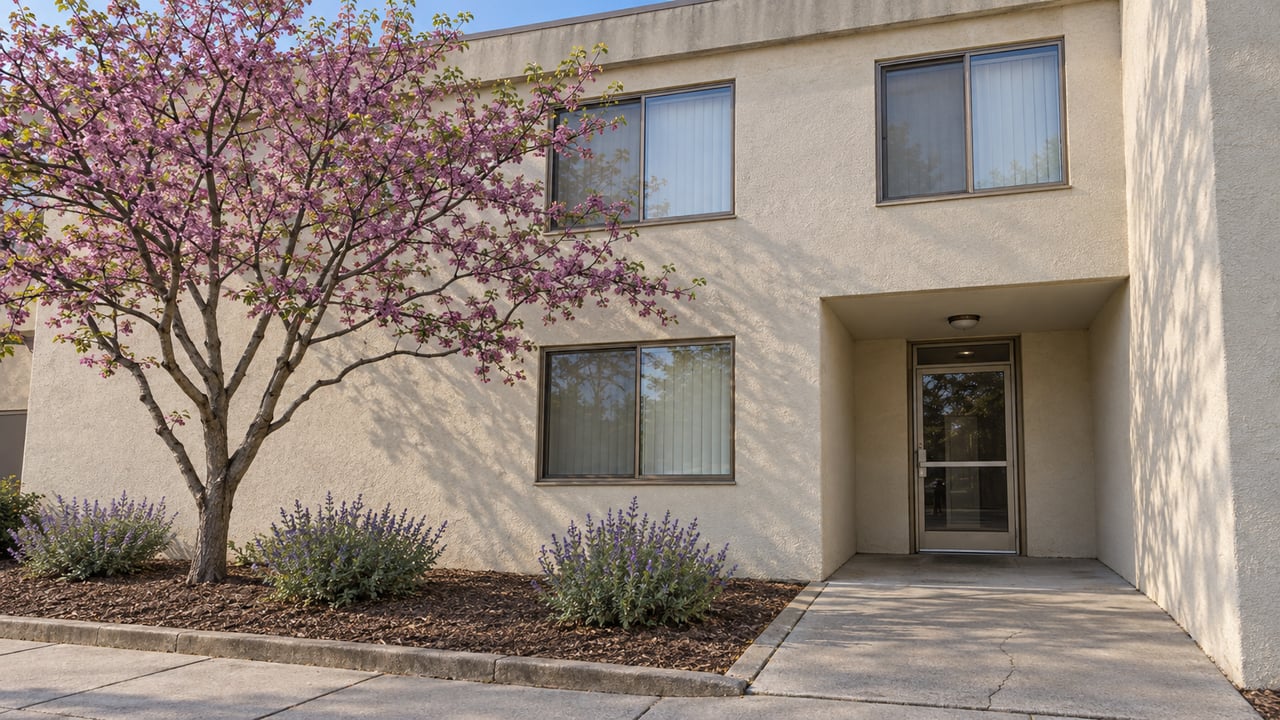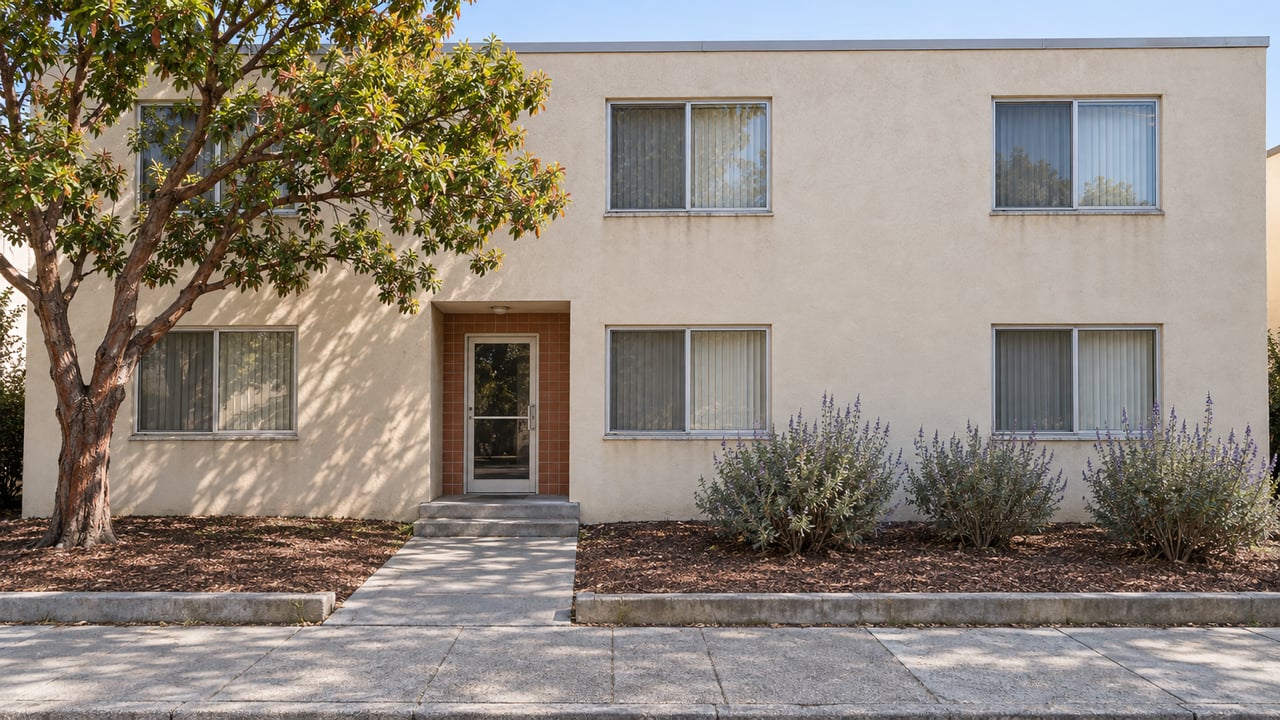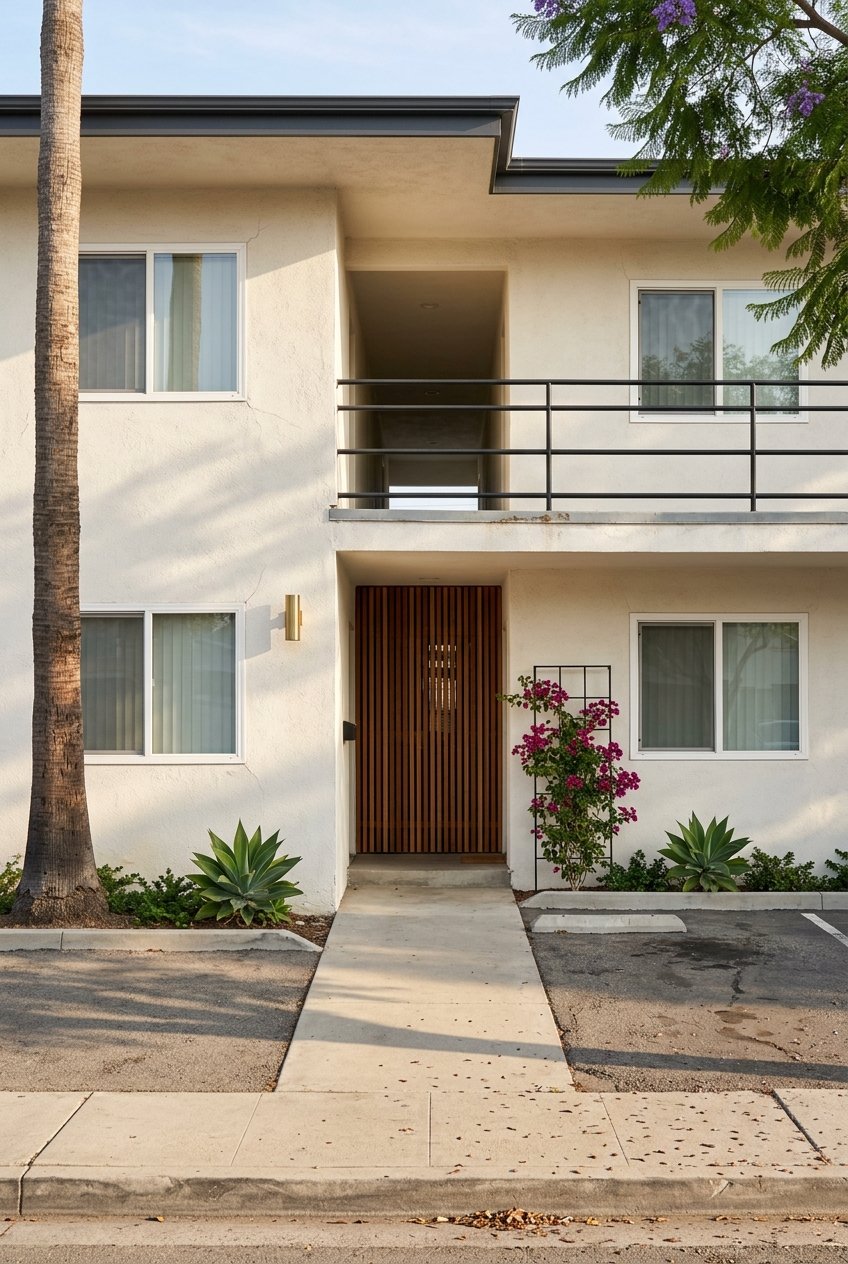
If you own a fourplex in Sun Valley, the biggest question may not be can you sell or renovate. It is whether either path actually improves your position after taxes, tenant rules, debt costs, and time are factored in. In Los Angeles, a fourplex decision is rarely simple, and the right move often comes down to net outcome rather than headline price. Let’s break down how to think through a sale versus a reposition with more clarity.
Why Sun Valley owners face a real choice
Sun Valley sits within the City of Los Angeles, so citywide rental rules apply to local fourplex owners. At the same time, the broader multifamily market is not deeply oversupplied, which means you may still have options if you are weighing a disposition or a hold strategy.
The challenge is that higher borrowing costs can make leveraged improvements or refinancing harder to justify. Freddie Mac reported a 30-year fixed mortgage rate of 6.30% on April 16, 2026, which matters if your plan depends on new debt.
Start with the real decision
For most owners, the decision is not simply “sell or keep.” It is usually a comparison between four paths:
- Sell and take liquidity now
- Sell and pursue a 1031 exchange
- Reposition through renovation over time
- Re-tenant naturally as units turn over
The strongest way to evaluate these options is by comparing time, capital required, legal friction, and tax outcome. That framework tends to be more useful than guessing where rents or values might go next.
Check your rent rule status first
Before you decide anything, confirm whether your fourplex is covered by Los Angeles rent stabilization rules, the state Tenant Protection Act, or another status. That answer affects what kind of rent growth may be allowed, what notices may apply, and how much flexibility you really have.
Los Angeles says the Rent Stabilization Ordinance generally covers rental units with a first certificate of occupancy issued on or before October 1, 1978. Owners of covered units must also register annually before they can legally demand or accept rent.
For the period from July 1, 2025 through June 30, 2026, the current citywide allowable RSO increase is 3%, with an additional 1% for gas and 1% for electric if the landlord provides those utilities. If your property is not under city RSO, some units may still be covered by the state Tenant Protection Act.
The California Attorney General notes in its tenant rights guide that the Los Angeles-area statewide rent cap is 8% for increases taking effect from August 1, 2025 through July 31, 2026, and just-cause rules generally apply after 12 months for covered tenancies. Los Angeles also states that all residential rental units have eviction protections, with non-RSO units protected at the end of the first lease or six months after the initial lease begins, whichever comes first.
If you are unsure where your fourplex falls, the best next step is to check property status using the city resources referenced in the Los Angeles renter protections notice.
Why that status matters for repositioning
A Sun Valley fourplex can look like a value-add opportunity on paper, but Los Angeles rules can change how quickly that upside shows up. If your rent growth is capped and tenant protections limit turnover options, a renovation may need to be justified by long-term income improvement rather than a fast reset.
That does not mean repositioning is a bad idea. It means the timeline and expected return should be underwritten conservatively.
When renovation may make sense
Renovation tends to be more compelling when:
- The property has a real maintenance backlog
- You have capital available without overrelying on expensive debt
- There is a believable rent gap over time
- You can execute improvements without assuming quick vacancy creation
Los Angeles renter protections make this important. The city explains on its renter protections page that local and state rules shape rent increases and tenant protections, so your expected return depends on the unit’s coverage status and current tenancy, not just your renovation budget.
When re-tenanting may be the better hold strategy
In many cases, re-tenanting through natural turnover is the lower-friction path. If a vacancy occurs lawfully and you can make targeted improvements between tenancies, you may be able to improve operations without taking on the full cost, delay, and legal complexity of a major reposition.
Still, not every turnover creates the same opportunity. The practical question is whether the unit is RSO-covered, AB 1482-covered, or exempt, and whether any notice or re-rental rules apply, as summarized in the city’s allowable rent increase bulletin.
Do not treat a sale as a vacancy tool
This is one of the most important points for owners considering a sale. In Los Angeles, selling the property is not a legal reason to evict a tenant.
The city’s remodel and eviction guidance states that for RSO or JCO-covered units, no-fault eviction reasons are limited and may require filings and relocation assistance. If your sale strategy depends on delivering units vacant, you need to confirm what is lawful before making plans or setting pricing expectations.
Refinance only if it solves a clear problem
Some owners consider refinancing as a bridge between holding and selling. That can work, but usually only when it solves a specific issue such as:
- An upcoming loan maturity
- A partner buyout
- A cash-out need
- Time to complete a future sale or exchange plan
With rates where they are, a refinance should be stress-tested carefully. If new debt service rises faster than your legal ability to grow rent, the refinance may reduce flexibility instead of improving it.
When selling may be the stronger option
A sale is often the cleanest path when the building has large deferred maintenance, tenant complexity, or a management burden that no longer fits your goals. It can also make sense if you want to simplify an estate, free up equity, or move into a different type of asset.
For some owners, selling is less about timing the market and more about reducing friction. If the next few years look capital-intensive and operationally heavy, a clean exit can be the most strategic move.
Watch transfer taxes closely
For Los Angeles sales, transfer taxes can have a meaningful impact on your final net proceeds. According to the city’s real property transfer tax and Measure ULA FAQ, the base real-property transfer tax is 0.45%.
Measure ULA adds a 4% tax above $5.3 million and 5.5% above $10.6 million for conveyances closing after June 30, 2025. For an appreciated fourplex, that can materially change the difference between a good sale price and a strong net result.
Do not forget depreciation recapture
Many owners focus on gross sale price and debt payoff, then underestimate the tax side. If you have held the property as an investment, your net sheet should also account for gain recognition and depreciation recapture, not just what the buyer is paying.
The IRS discusses these considerations in Publication 544, and those numbers should be reviewed before you commit to a listing strategy or exchange plan.
When a 1031 exchange may fit
If your goal is not to exit real estate entirely, a 1031 exchange may be worth exploring. This can be especially helpful if your Sun Valley fourplex has become management-heavy and you want to trade into a different multifamily asset with a different risk profile.
That said, timing matters. The IRS explains in the Instructions for Form 8824 that replacement property must generally be identified within 45 days and received within 180 days, and a qualified intermediary is commonly used to avoid constructive receipt.
If you are considering an exchange, start early. Waiting until your property is already in escrow can compress your options and make it harder to identify suitable replacement inventory.
A simple way to compare your options
Here is a practical way to frame the choice for your Sun Valley fourplex.
| Option | Best when | Main challenge |
|---|---|---|
| Renovate | You have capital, patience, and a long-term income plan | Rent limits and tenant protections can slow payoff |
| Re-tenant | Vacancy happens naturally and operations can improve incrementally | Not every turnover allows a full rent reset |
| Refinance | You need liquidity or a bridge for a specific purpose | Higher debt costs may hurt monthly performance |
| Sell | You want liquidity, simplification, or a cleaner next move | Taxes, transfer costs, and exchange timing matter |
What to review before deciding
Before you choose a path, gather the information that actually drives the result:
- Current rent roll
- RSO or TPA coverage status
- Loan balance and loan terms
- Deferred maintenance and capital needs
- Estimated tax basis
- Expected sales costs and transfer taxes
- Potential 1031 exchange goals, if applicable
That kind of review will usually tell you more than a general market headline ever could. It also helps you avoid overestimating what a renovation or refinance can accomplish under Los Angeles rules.
Strategy should come before action
For a Sun Valley fourplex owner, the right move is rarely based on preference alone. It should reflect how much time, capital, legal complexity, and tax exposure you are willing to take on from here.
If you want help thinking through a sale, valuation, or possible 1031 exchange, Evans Investment Group can help you evaluate the options with a multifamily investment lens and a clear view of what the numbers may actually support.
FAQs
How do I know if my Sun Valley fourplex is under Los Angeles RSO?
- Los Angeles says the RSO generally covers rental units whose first certificate of occupancy was issued on or before October 1, 1978, and the city’s renter protection notice points owners to property status tools such as ZIMAS and LAHD resources for verification.
Can I evict tenants from a Sun Valley fourplex just because I want to sell?
- No. Los Angeles states that sale alone is not a legal reason to evict a tenant, and no-fault paths may require filings and relocation assistance depending on the unit’s status.
Is renovating a Sun Valley fourplex worth it under Los Angeles rent rules?
- It can be, but the return usually depends on the unit’s coverage status, current tenancy, legal rent-growth limits, and how much capital and time you are prepared to invest.
What taxes should I review before selling a Sun Valley fourplex?
- You should review debt payoff, the City of Los Angeles transfer tax, possible Measure ULA exposure, capital gain implications, and depreciation recapture before deciding on a sale strategy.
Can a 1031 exchange work after I sell my Sun Valley fourplex?
- Yes, if the property is held for investment and the exchange is structured properly, but you generally must identify replacement property within 45 days and acquire it within 180 days.
Should I refinance instead of selling my Sun Valley fourplex?
- A refinance is usually most useful when it solves a specific issue like loan maturity, liquidity needs, or a partner buyout, and only if the new debt still works within Los Angeles rent-growth constraints.