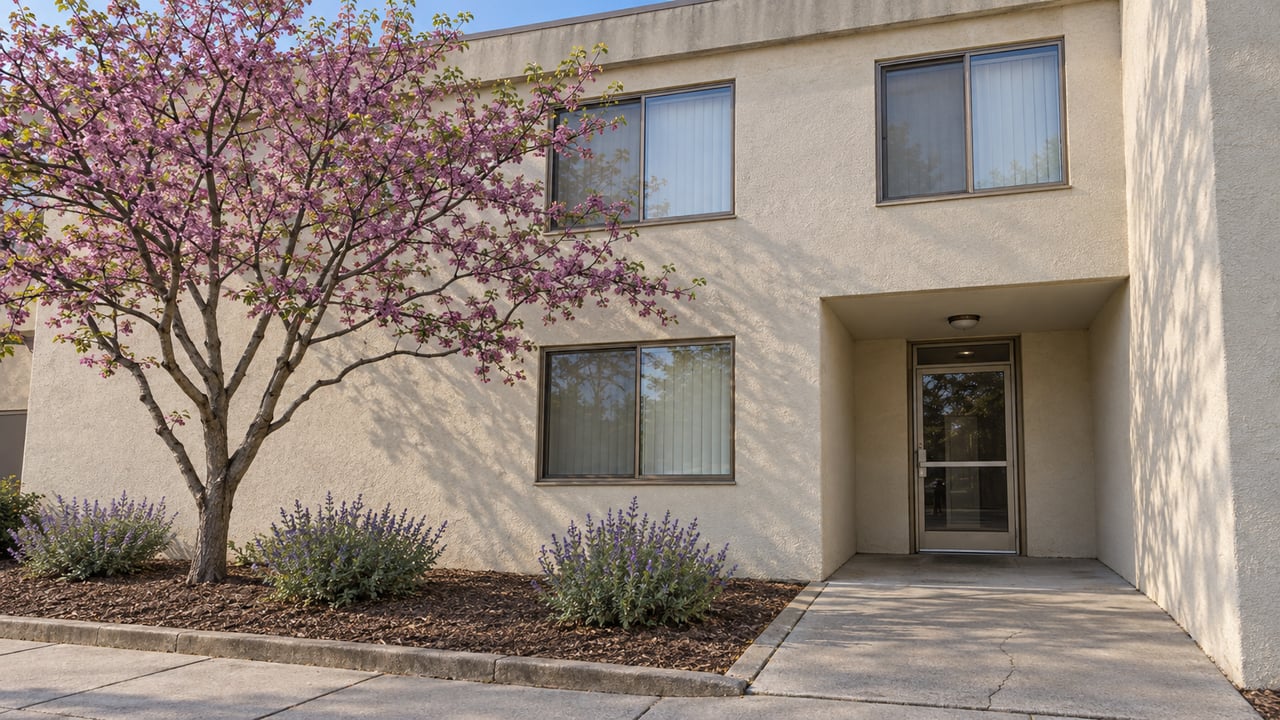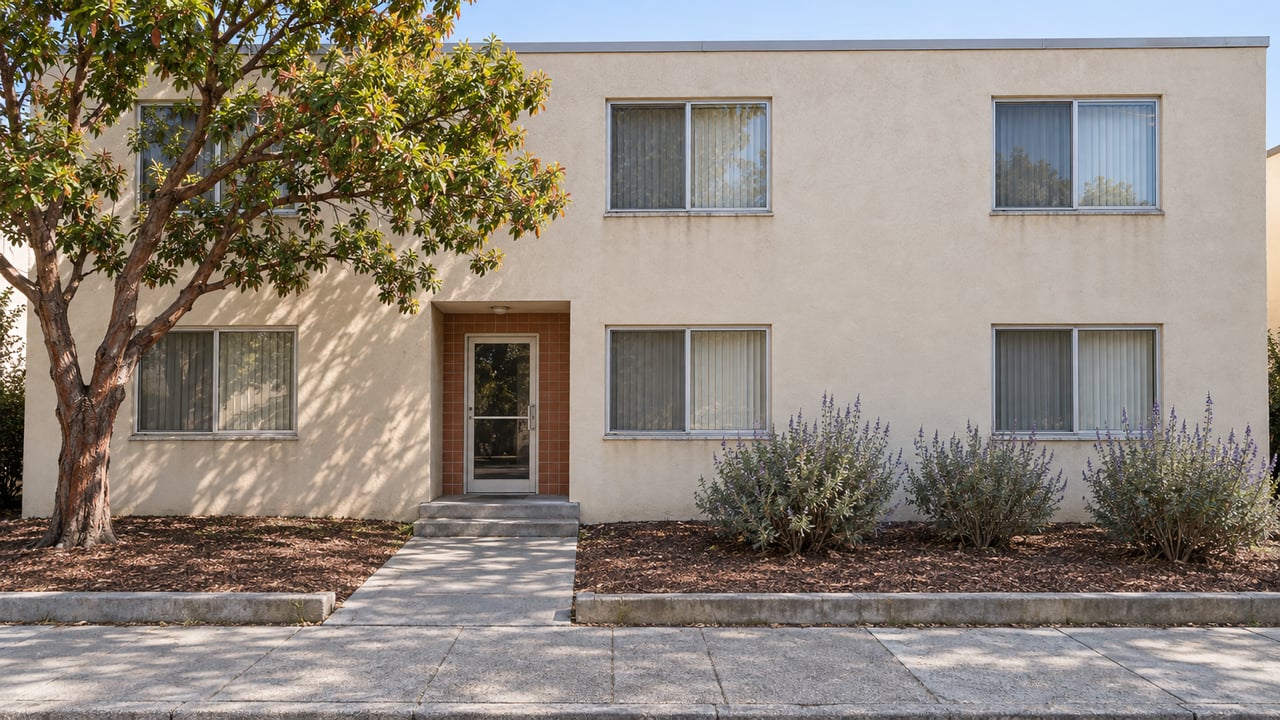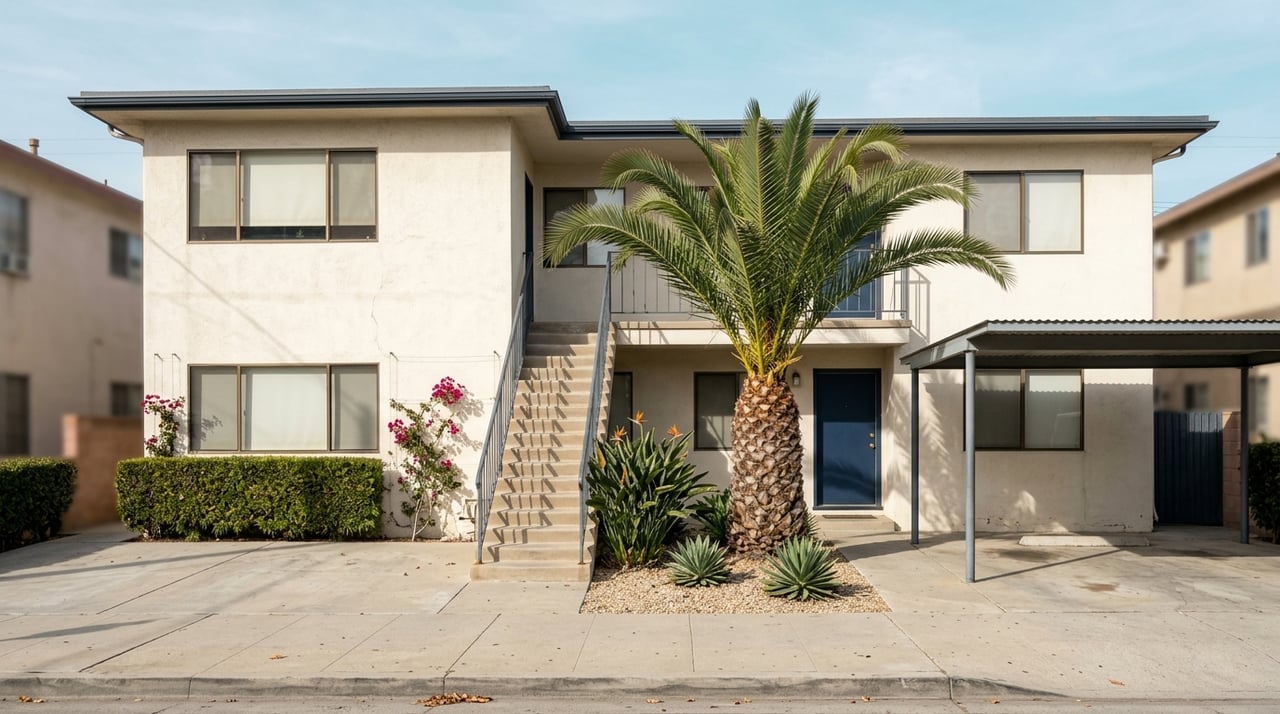
If you are underwriting an apartment deal in Sun Valley with big rent bumps, near-zero vacancy, and flat expense growth, you may be setting yourself up for disappointment. This part of the San Fernando Valley can offer solid occupancy and long-term investment appeal, but it is not a market where aggressive assumptions automatically become reality. A more grounded model can help you protect your downside, spot true value-add opportunities, and make better buy, hold, or sell decisions. Let’s dive in.
Sun Valley Needs Practical Underwriting
Sun Valley sits within the Sun Valley-La Tuna Canyon Community Plan area in the northeast part of Los Angeles, about 15 miles from downtown. According to the City of Los Angeles Community Plan, the area includes a mix of residential, open space, and industrial land uses. That mixed-use character matters because it supports a more practical investment lens than a luxury-core pricing mindset.
For apartment investors, the big takeaway is simple: Sun Valley should usually be underwritten like a working Valley submarket, not like a fast-rising urban luxury pocket. That means focusing on steady occupancy, measured rent growth, and realistic operating costs. When you start there, your numbers are more likely to hold up after closing.
Start With Today’s Vacancy Reality
One of the easiest ways to overstate value is to assume vacancy will stay extremely low no matter what. In Q2 2025, Northmarq reported San Fernando Valley vacancy at 3.3%, while Matthews placed it at 3.85%. Both figures suggest a relatively tight market, but not one that justifies a 1% to 2% pro forma vacancy in most cases.
A better base case for many stabilized Valley apartment deals is closer to 4% to 5% vacancy, especially if the building is older, has turnover risk, or needs repositioning. If the asset has heavier deferred maintenance or a more ambitious renovation plan, a 5% to 6% stress case is even more defensible. That kind of cushion helps you account for turn time, leasing friction, and compliance-related delays.
Countywide comparisons also support restraint. Northmarq placed Los Angeles County vacancy at 4.5%, while USC’s 2025 forecast summary cited county vacancy at 5.37% in October 2025 with a projected 5.17% by October 2027. Those county numbers are not a direct substitute for Sun Valley, but they reinforce the point that underwriting should leave room for normal friction.
Why Building Type Matters
Not every property in the Valley performs the same way. Northmarq noted that demand has been concentrated in Class A, while 2025 transaction activity has skewed toward older inventory in lower property tiers. That means an updated older building in Sun Valley may perform differently from a tired asset with deferred maintenance, even if both sit in the same submarket.
In practice, that should push you to underwrite the actual asset in front of you. A clean, well-maintained building with stable in-place tenants deserves one set of assumptions. A building with outdated systems, upcoming turns, or a major repositioning plan deserves another.
Treat Asking Rents as a Ceiling
Another common mistake is using asking rents as if they are guaranteed operating rents. In reality, asking rents are better viewed as an upper boundary for underwriting, not your automatic average. That is especially true when your deal depends on tenant turnover, renovations, or timing-sensitive lease-up.
Northmarq reported San Fernando Valley asking rent at $2,246 per month in Q2 2025, while Matthews reported an average asking rent of $1,991 per unit. Those figures differ because the sources use different datasets, but the directional message is consistent: you should not build your model around the most optimistic rent number available.
It also helps to anchor your assumptions to broader affordability context. HUD’s FY2025 Fair Market Rent schedule shows a two-bedroom Fair Market Rent of $2,625 for the Los Angeles-Long Beach-Glendale area, while Census QuickFacts cited in the research place median gross rent at $1,933 in the City of Los Angeles and $1,954 in Los Angeles County. These are not direct substitutes for your rent roll, but they are useful guardrails when testing whether a rent-growth story is realistic.
A Smarter Rent Underwriting Approach
For many Sun Valley deals, a practical rent framework looks like this:
- Use current in-place rents as your starting point
- Compare renovated units to actual market comps, not best-case listings
- Treat asking rent as a ceiling unless there is clear proof of achieved rents
- Build in downtime, concessions, and turn costs where relevant
- Stress-test the deal if rent growth stalls
This kind of approach does not kill upside. It simply separates believable upside from hope.
Keep Rent Growth Modest
The current San Fernando Valley story is more about resilience than acceleration. Northmarq forecast just 0.5% rent growth for 2025 in the Valley. USC’s county forecast pointed to only 0.6% total growth over the next two years. Those are not numbers that support a rapid-rent-reset underwriting model unless the building has clear below-market rents or renovation-based upside.
A reasonable base-case rent growth range in today’s environment is often 0.5% to 1.5% annually, with 0% growth as a fair downside scenario. That is especially important if you are buying on thin margins or relying on future refinancing. Even small overstatements in rent growth can materially distort value.
RSO and State Caps Matter
If your property includes units subject to the City of Los Angeles Rent Stabilization Ordinance, your underwriting should reflect current legal limits, not market wish lists. LAHD states that the annual RSO rent increase remains 3% from July 1, 2025 through June 30, 2027. That makes RSO deals fundamentally different from free-market deals when you model growth.
For non-RSO units, California’s Tenant Protection Act guidance from the Attorney General says rent increases are generally capped at 10% total or 5% plus inflation, whichever is lower, with local rules sometimes being stricter. In Los Angeles, local protections can materially affect both timing and execution. In other words, even when a rent increase is legally allowed, it may not be operationally simple.
Underwrite Turnover More Carefully
Turnover is not just a leasing event. In Los Angeles, it can carry timing, notice, relocation, and compliance consequences that affect your cash flow. That is why a realistic model should include more than a simple mark-to-market assumption.
LAHD explains that Los Angeles’ Just Cause Ordinance covers most non-RSO residential units and requires a legal reason for eviction, while no-fault terminations may trigger relocation assistance. LAHD also notes that rent increases above 8% in a 12-month period can trigger economic-displacement protections. These rules can slow down your path from in-place rent to pro forma rent.
The Attorney General also states that California requires written notice for rent increases, with 30 days’ notice for increases of 10% or less and 90 days for larger increases. Text or email alone is not enough. If your entire deal hinges on immediate turnover and fast rent resets, those operational realities need to be in the model.
Build More Cushion Into Expenses
On many first-pass pro formas, expenses rise gently with inflation while income ramps cleanly upward. In today’s environment, that is often too optimistic. The expense side, especially in older Valley buildings, deserves more skepticism.
Insurance is the clearest example. In 2025, the California Department of Insurance announced expanded FAIR Plan commercial property coverage limits. That change, along with broader market pressure on insurance pricing noted in the research, is a strong signal that you should get real quotes early and carry a separate insurance contingency.
For many buyers, the practical move is to model insurance and repairs above CPI, not in line with CPI. That is particularly true for older low-rise assets where roofs, plumbing, electrical systems, and common areas may not show their full needs during a quick walkthrough.
Utility and Appliance Costs Are Easier to Miss
LAHD notes that effective January 1, 2026, AB 628 requires operational stoves and refrigerators in rental units for new, amended, or renewed leases. LAHD also says that effective February 2, 2026, the City’s RSO annual rent increase must not include an additional utility percentage increase. For value-add underwriting, both rules matter.
The implication is straightforward: appliance replacement and utility inflation should not be treated as minor details. If you are planning unit turns, your budget should reflect actual replacement risk. If you were assuming utility pass-throughs would offset rising costs, that assumption may be weaker than it looks.
Renovation Budgets Need Compliance Logic
Value-add buyers often focus on finish upgrades while underestimating the legal and operational side of renovations. In Sun Valley and across Los Angeles, that can create a gap between projected and actual returns. Cosmetic work is one thing, but more extensive renovations can change the timeline and cost structure of your entire business plan.
The California Attorney General explains that a substantial remodel must involve permit-requiring structural, electrical, plumbing, or hazardous-material work, and that cosmetic renovations alone do not qualify. That matters because the classification can affect whether a unit can be taken offline, what notice may be required, and whether relocation costs become part of the job.
If you are underwriting an older building, your renovation budget should usually include:
- Interior finishes and standard turn costs
- Appliance replacement
- Permit expenses
- Deferred maintenance reserves
- Common-area and system repairs
- Possible compliance and relocation costs where applicable
That is not pessimism. It is disciplined underwriting.
Use Exit Cap Rates With Restraint
Even a well-bought deal can disappoint if the exit assumption is too aggressive. According to Northmarq’s Valley data, cap rates have been in the 5.0% to 5.5% range, while Matthews reported 5.04%. That makes the mid-5% range a reasonable current anchor for many Valley underwriting scenarios.
If your deal only works with cap rate compression, you may not have enough margin for error. A more durable model tests flat exits and some expansion, especially if the business plan depends on heavy renovation, uncertain expense control, or slower-than-expected rent growth. The goal is not to remove upside, but to avoid paying today for tomorrow’s perfect outcome.
A Realistic Sun Valley Underwriting Template
If you want a simple framework for first-pass analysis, this is a practical starting point for many Sun Valley apartment opportunities:
- Vacancy: 4% to 5% stabilized, with 5% to 6% stress cases for weaker assets
- Rent growth: 0.5% to 1.5% base case, with 0% downside case
- Rents: underwrite below top-of-market asking rents unless supported by achieved comps
- Expenses: push insurance and repairs above CPI assumptions
- Renovation capex: include appliances, permits, deferred maintenance, and compliance costs
- Exit cap: anchor to the mid-5% range rather than assuming compression
This does not mean every Sun Valley building should be underwritten the same way. It means your assumptions should match today’s market evidence, the property’s condition, and the legal framework that affects operations after closing.
In a submarket like Sun Valley, realistic underwriting is often your best competitive advantage. It helps you avoid overpaying, negotiate from a position of clarity, and identify where the real upside is coming from. If you are weighing a sale, acquisition, 1031 exchange, or valuation in the San Fernando Valley, Evans Investment Group can help you pressure-test the numbers and build a strategy around real market conditions.
FAQs
What vacancy rate should you use for Sun Valley apartment underwriting?
- A practical stabilized assumption is often 4% to 5%, with 5% to 6% used as a stress case for older assets, higher turnover, or heavier repositioning plans.
What rent growth assumption is realistic for San Fernando Valley apartments?
- Current market data supports a conservative base case around 0.5% to 1.5% annual growth, with 0% as a reasonable downside scenario.
How should you treat asking rents when underwriting a Sun Valley apartment building?
- Asking rents are usually better treated as a ceiling than an average, unless you have solid evidence that the building can achieve those rents after accounting for turns, timing, and condition.
How do Los Angeles rent rules affect apartment underwriting?
- Los Angeles rules can affect rent increase timing, turnover, notice requirements, relocation costs, and allowable annual increases, so they should be built into both income and renovation assumptions.
Why are insurance assumptions so important for Valley multifamily deals?
- Insurance has become a more volatile expense line, so getting real quotes early and carrying extra cushion can make your underwriting more reliable.
What should a renovation budget include for an older Sun Valley apartment property?
- A realistic renovation budget should include unit turns, appliances, permits, deferred maintenance, common-area work, and possible compliance or relocation-related costs depending on the scope of work.