If you own or are considering buying a multifamily property in South Los Angeles, value-add can look promising on paper but get complicated fast in practice. This is a renter-heavy submarket with older buildings, layered local rules, and limited room for error if you budget around aggressive rent growth. The good news is that there is still a clear path to creating value if you focus on the right improvements in the right order. Let’s dive in.
Why South LA Value-Add Is Different
South Los Angeles is not a one-size-fits-all apartment market. The community plan area includes neighborhoods such as University Park, Adams-Normandie, Harvard Heights, West Adams Heights, Kinney Heights, Jefferson Park, Vermont Square, and Vermont-Knolls, and parts of the area are also affected by the South Los Angeles Community Plan Implementation Overlay and historic preservation overlay zones.
For you, that means a value-add plan should start with parcel-level review, especially if you are thinking about exterior changes, additions, or a broader repositioning. A smart design concept can still run into delays if zoning, overlay rules, or historic constraints are checked too late.
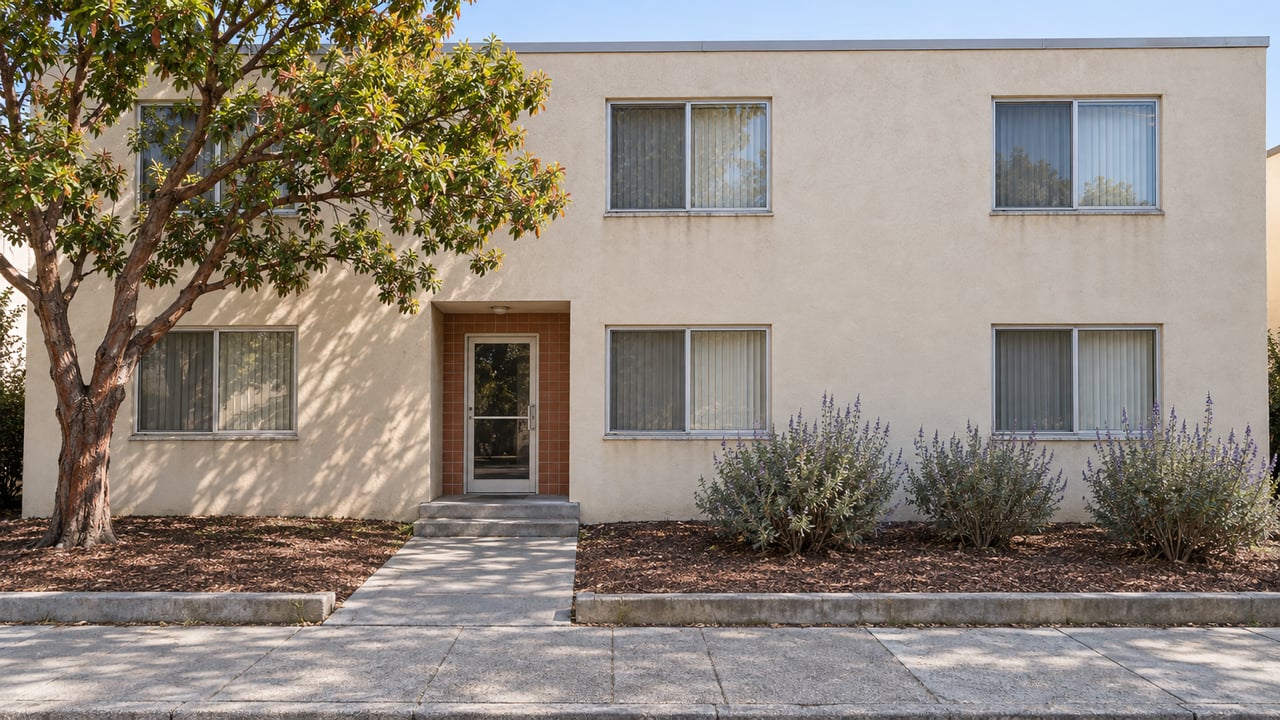
The housing stock also shapes the strategy. South LA has about 88,030 dwelling units, with 68.2% renter occupancy, 59.5% multiple-housing units, and 42.8% of structures built in 1939 or earlier. In practical terms, many opportunities are tied to improving older assets rather than transforming them into luxury product.
Start With Real Tenant Benefit
In South LA, the most durable value-add plans usually solve everyday property issues first. Older buildings often perform better when you improve habitability, reduce deferred maintenance, tighten operations, and make units easier to rent and retain.
That matters even more because many properties are covered by local or state tenant protections. If your business plan assumes a quick rent reset alone, the numbers may not hold. If your plan improves how the building functions, the upside is often more reliable.
Unit Renovations That Make Sense
Classic unit-turn upgrades still matter. Kitchens, bathrooms, flooring, cabinets, fixtures, doors, windows, and fresh finishes can improve rentability and reduce future maintenance calls.
But in Los Angeles, it is important to separate true improvements from routine maintenance. Under LAHD rules, a capital improvement in RSO housing must primarily benefit tenants, last at least five years, be permanently affixed or relatively immobile, and be completed within 12 months of the owner’s application to qualify for that cost-recovery path.
That makes scope planning important from day one. If you are underwriting a renovation program, your contractor scope, invoices, and documentation should support the type of recovery or compliance path you expect to use.
Common-Area Upgrades With Staying Power
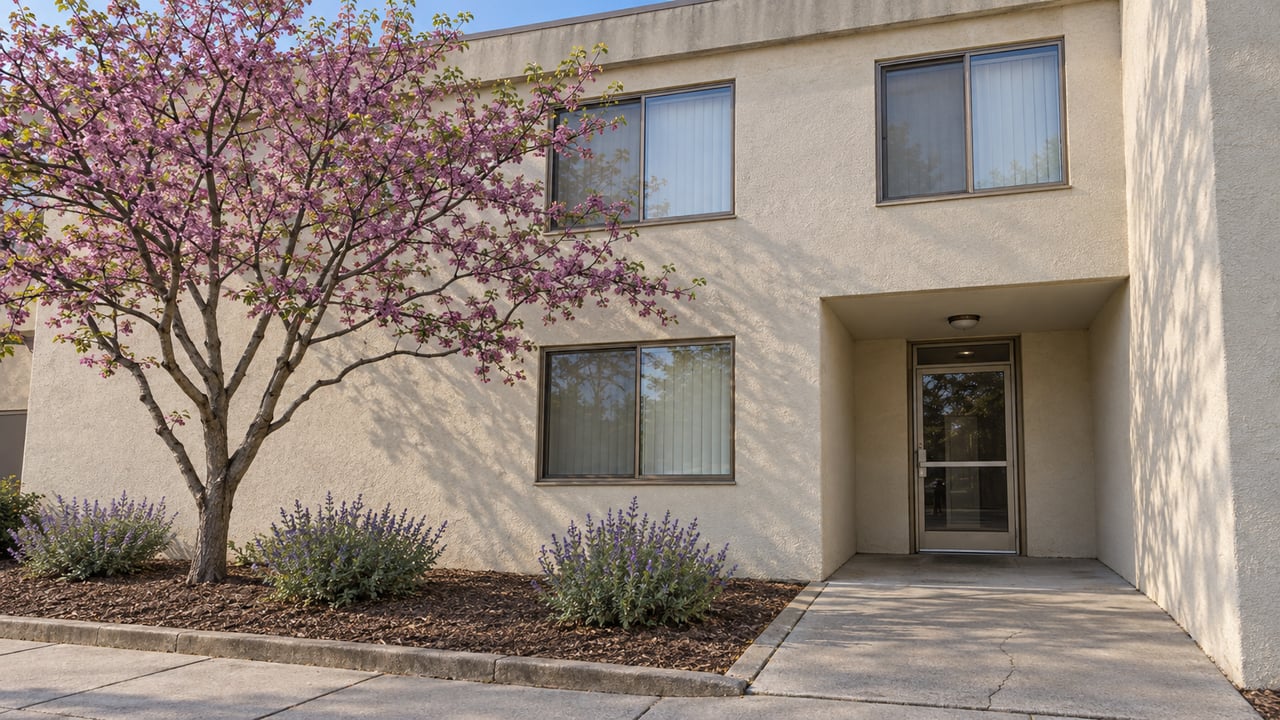
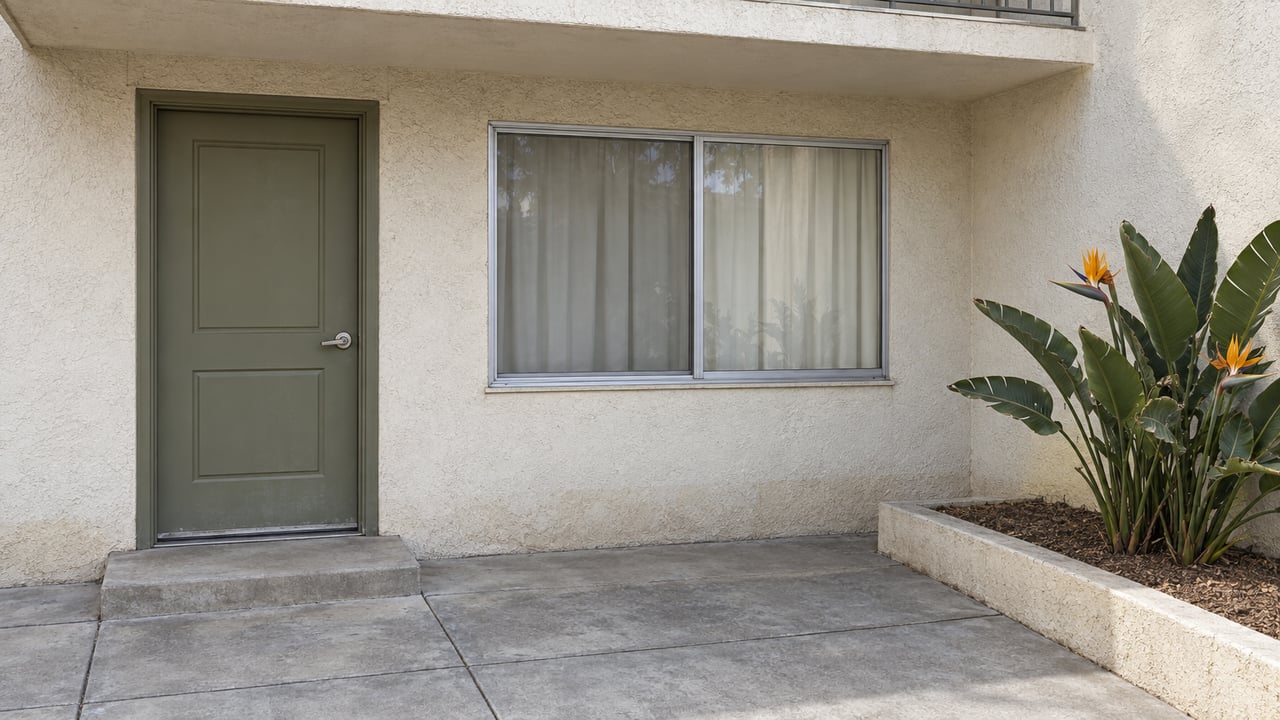
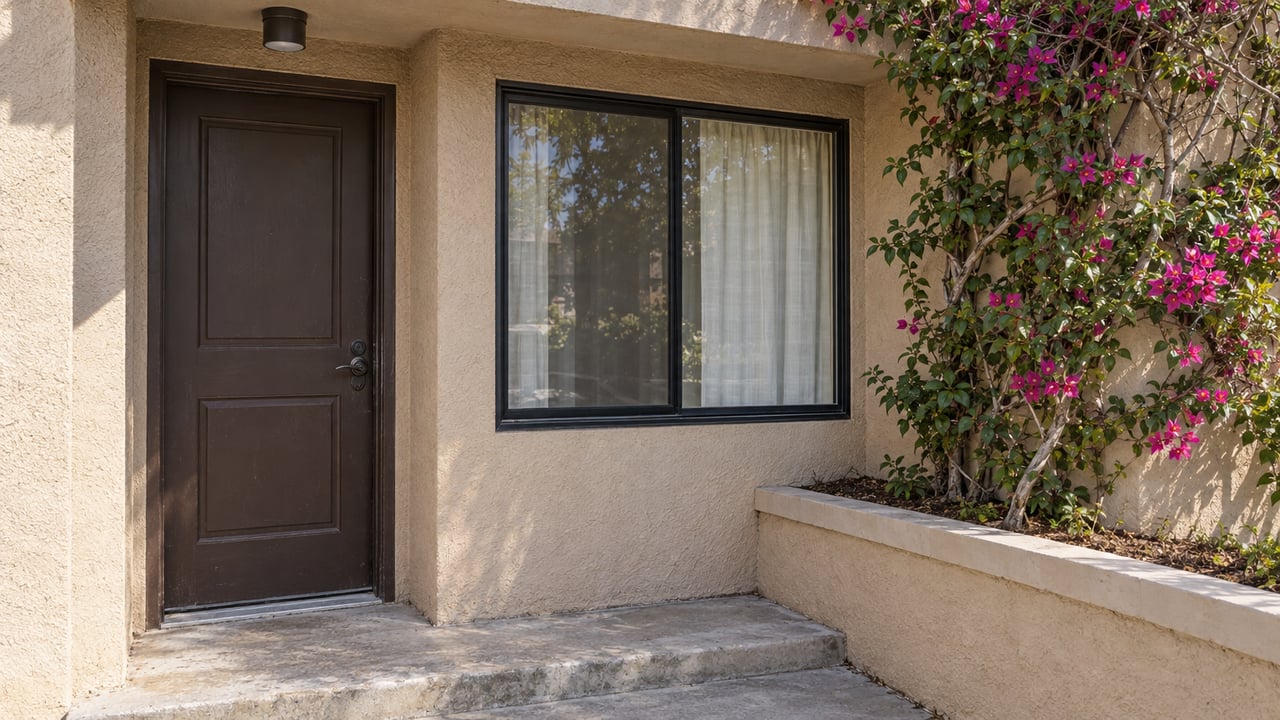
Some of the best South LA value-add projects happen outside the unit. Exterior paint, landscaping, shared-area flooring, mail improvements, entry upgrades, and certain security-related items can improve the resident experience and strengthen curb appeal.
These projects are visible, but they should not be treated as cosmetic spending alone. The better lens is durability, tenant benefit, and long-term operating performance.
Management Improvements Count Too
Not every value-add strategy starts with construction. LAHD requires owners to maintain rental housing in a safe and sanitary condition, and stronger property operations can directly support value.
For many buildings, better preventive maintenance, faster response times, cleaner records, and tighter vendor oversight can reduce complaint volume, lower code risk, and help preserve occupancy. In an older South LA asset, operational discipline can be just as valuable as a new finish package.
Understand the Rent and Compliance Limits
Before you commit to a renovation budget, you need to understand what rules apply to the property. In Los Angeles, many rental buildings built on or before October 1, 1978 are covered by the Rent Stabilization Ordinance, or RSO.
That matters because the speed of rent growth is limited on many covered properties. LAHD states the annual RSO rent increase remains 3% from July 1, 2025, to June 30, 2027, and effective February 2, 2026, landlords can no longer add an additional percentage increase for utilities.
If a unit is not covered by the city’s RSO, it still may be subject to California AB 1482. That state law generally limits annual rent increases to 5% plus CPI, up to 10% in a 12-month period, and also applies just-cause protections to many tenancies.
The takeaway is simple: exemption does not automatically mean unrestricted pricing power. Your underwriting should reflect the actual rent cap and tenant-protection framework that applies to the building.
Turnovers Need Careful Sequencing
If your plan depends on unit turnover, timing and notice requirements matter. For RSO units, LAHD says notices to terminate a tenancy must be filed with the department within three business days of service.
In many no-fault eviction situations, relocation assistance and the proper landlord declaration are also required before notice is issued. That makes renovation-related turnover planning a legal and operational sequencing issue, not just a leasing issue.
New Notice Rules Matter
Compliance workflows are also evolving. Effective August 20, 2025, the City requires a Notice of Right to Counsel in specified tenancy and eviction communications, including at the start of a tenancy, attached to eviction notices, and posted in common areas.
For you, this means property management processes need to be updated along with the physical asset. A missed notice requirement can create avoidable risk and delay.
Appliance Budgets Need Updating
Starting January 1, 2026, California AB 628 requires operational stoves and refrigerators in rental units for new, amended, or extended leases. LAHD states that if a required appliance is missing, nonfunctional, or defective, inspectors will issue a Notice to Comply.
That is a practical budgeting issue for South LA owners. If your renovation or lease-up plan assumes a stripped-down appliance package, that assumption may need to change.
Permits and Overlay Review Come Early
One of the most common value-add mistakes is treating permitting as a late-stage task. LADBS states that building permits are required for new construction, additions, alterations, demolition, and many repairs, and work is not approved until inspections are completed and accepted.
In South LA, that issue can become even more important because of overlay rules and historic review in parts of the community plan area. Exterior updates, façade work, and redevelopment ideas may need extra planning review before construction starts.
The safest path is to verify zoning, overlay status, and any parcel-specific constraints before finalizing scope, budget, or timeline. When your architect, contractor, and ownership team are all working from the same property-specific facts, you are less likely to run into expensive redesigns.
Prioritize Habitability Before Cosmetics
For most South LA multifamily assets, the best use of capital starts with the basics. If the building has unresolved safety, habitability, or code issues, those items usually deserve priority over appearance-focused upgrades.
This approach fits both the local housing stock and the local rules. It also tends to create a stronger long-term outcome because it reduces enforcement risk, supports tenant retention, and protects the asset’s operating performance.
A Practical Upgrade Sequence
A disciplined South LA value-add plan often follows this order:
- Safety, habitability, and code items first
- Water-leak prevention and water-efficiency upgrades second
- Turnover-ready unit refreshes third
- Common-area and curb-appeal work fourth
- Larger electrification or amenity projects last
This sequence works because many South LA properties are older, and rent-growth caps can limit how quickly capital spending is absorbed. In that environment, lower maintenance costs, fewer building issues, and stronger retention often do more for value than a luxury-heavy renovation plan.
Water and Energy Savings Can Support Returns
Selective sustainability work can be a strong early move, especially in older multifamily buildings. Water-saving fixtures and irrigation controls can help reduce operating costs without creating major tenant disruption.
LADWP currently offers rebates and free items for commercial, industrial, and multifamily customers, including premium high-efficiency toilets, zero and ultra-low-water urinals, irrigation controllers, cooling-tower controllers, low-flow aerators, and showerheads. For some owners, these programs can make small system upgrades more attractive financially.
There are also larger retrofit resources to review. LADWP’s CAMR program assists low-income multifamily owners with free property assessments, help developing scopes of work, contractor-procurement support, and financial incentives for energy-efficiency measures in common areas and inside tenant units.
For certain larger common-area or nonresidential accounts, LADWP’s BOSS program provides incentives for lighting, HVAC, building-envelope, domestic hot-water, and whole-building efficiency measures, with pre-approval required before work begins. The key is to confirm program fit before finalizing your scope.
When Rehabilitation Becomes Defensive
Not every project begins as a planned repositioning. Sometimes the highest-value move is addressing work required by an LAHD or other government order before the issue grows more costly.
The RSO recognizes a rehabilitation path for work done in a unit or common area to comply with a government order. For owners dealing with deferred maintenance, that can shift part of the conversation from optional upgrades to asset protection.
That is especially relevant in South LA, where a meaningful share of the housing stock predates 1940. Older buildings can still perform well, but they usually reward owners who address systems and compliance needs early.
What Smart South LA Underwriting Looks Like
Good South LA underwriting is usually conservative on rent growth and disciplined on scope. It accounts for ordinance coverage, notice timing, relocation exposure where applicable, permit requirements, appliance obligations, and whether tenant habitability planning may apply.
For example, if renovation, repair, or alteration work on an RSO building may affect tenants, the project may fall under the Tenant Habitability Program. LAHD states this is mandatory for soft-story and seismic retrofit work, and owners seeking Primary Renovation cost recovery must complete THP requirements before beginning the improvements they want included in that application.
That is why sequencing matters so much in this submarket. The strongest value-add plans are usually not the flashiest. They are the ones that line up compliance, tenant benefit, durability, and realistic financial expectations from the start.
The Bigger Strategy for Owners and Investors
Whether you are holding, acquiring, or preparing to sell, South LA value-add works best when it is treated as an operating strategy first and a cosmetic strategy second. Infill multifamily owners who understand the local rule set can often create meaningful upside, but that upside usually comes from better building performance, cleaner execution, and disciplined capital planning.
If you are evaluating a South Los Angeles apartment building, the key questions are straightforward. What rules apply to this parcel? Which improvements create lasting tenant benefit? Which costs may be recoverable, and which are simply necessary to protect the asset? How does the plan affect long-term income, sale timing, or exchange strategy?
Those are the questions sophisticated owners and buyers should be asking before they spend the first renovation dollar. If you want a clearer view of how a South LA multifamily property fits your broader investment goals, Evans Investment Group can help you think through valuation, acquisition strategy, disposition timing, and 1031 exchange planning.
FAQs
What does value-add multifamily mean in South Los Angeles?
- In South Los Angeles, value-add multifamily usually means improving older apartment buildings through unit renovations, common-area upgrades, better operations, habitability work, and selective efficiency improvements that support long-term property performance.
Are many South Los Angeles apartment buildings rent-controlled?
- Many Los Angeles rental buildings built on or before October 1, 1978 are covered by the City’s Rent Stabilization Ordinance, so you should confirm RSO status early when evaluating a South LA property.
How much can rents increase on RSO properties in Los Angeles?
- LAHD states the annual RSO rent increase is 3% from July 1, 2025, to June 30, 2027, and effective February 2, 2026, landlords can no longer add an additional percentage increase for utilities.
Do South Los Angeles multifamily renovations need permits?
- Yes, LADBS states building permits are required for new construction, additions, alterations, demolition, and many repairs, and required inspections must be completed and accepted before work is approved.
Why do overlay zones matter for South Los Angeles value-add projects?
- Parts of the South Los Angeles Community Plan area include a Community Plan Implementation Overlay and historic preservation overlay zones, which can affect exterior changes, façade updates, additions, and redevelopment plans.
What upgrades usually come first in a South LA apartment building?
- A practical sequence is to address safety, habitability, and code items first, then water-efficiency and leak-prevention work, then turnover-ready unit upgrades, followed by common-area improvements.
Are water-saving upgrades worth considering for South Los Angeles multifamily owners?
- Yes, water-saving fixtures and irrigation controls can lower operating costs, and LADWP offers rebates and free items for qualifying multifamily customers.
When should a South Los Angeles owner think about tenant habitability planning?
- If renovation, repair, or alteration work on an RSO building may affect tenants, the project may fall under the Tenant Habitability Program, so that review should happen before construction begins.