If you are looking at West Hollywood for your next apartment investment, it helps to know this market is not a typical suburban rental play. West Hollywood is compact, renter-led, and shaped by older multifamily buildings in one of Los Angeles County’s most central urban locations. For a private buyer, that creates real opportunity, but only if you underwrite the market with clear eyes. Let’s dive in.
West Hollywood Market Basics
West Hollywood stands out as a dense infill apartment market. According to the city’s 2020 housing profile, 79% of housing units are in buildings with five or more units, while only 11% are single-family. The city also reports that 80% of households are renter-occupied.
That matters because you are not buying into a detached-home rental market. You are buying into a city where apartments and condos define the housing landscape, and where future housing growth is expected to continue mainly through large multifamily projects in high-density residential and mixed-use areas.
The location also supports renter demand. The city reports access to nine transit routes within half a mile and roughly 732,933 jobs within a 30-minute commute. For investors, that centrality helps explain why West Hollywood continues to attract renters who value convenience and shorter trips across the region.
Apartment Stock You Will Usually See
West Hollywood’s inventory leans heavily toward smaller units and older buildings. The city says 92% of units have two bedrooms or fewer. Among renter-occupied units, 96% have two bedrooms or fewer, and 63% have one bedroom or no bedroom.
That unit mix is important when you evaluate tenant demand and renovation plans. In a market built around compact living, layouts, livability, and condition can matter just as much as raw square footage.
The age of the stock is another major factor. The city reports a median year built of 1962, and about 93% of units were built before 1990. This is one reason West Hollywood regularly frames apartment rehabilitation as a key policy issue.
Common Building Types in West Hollywood
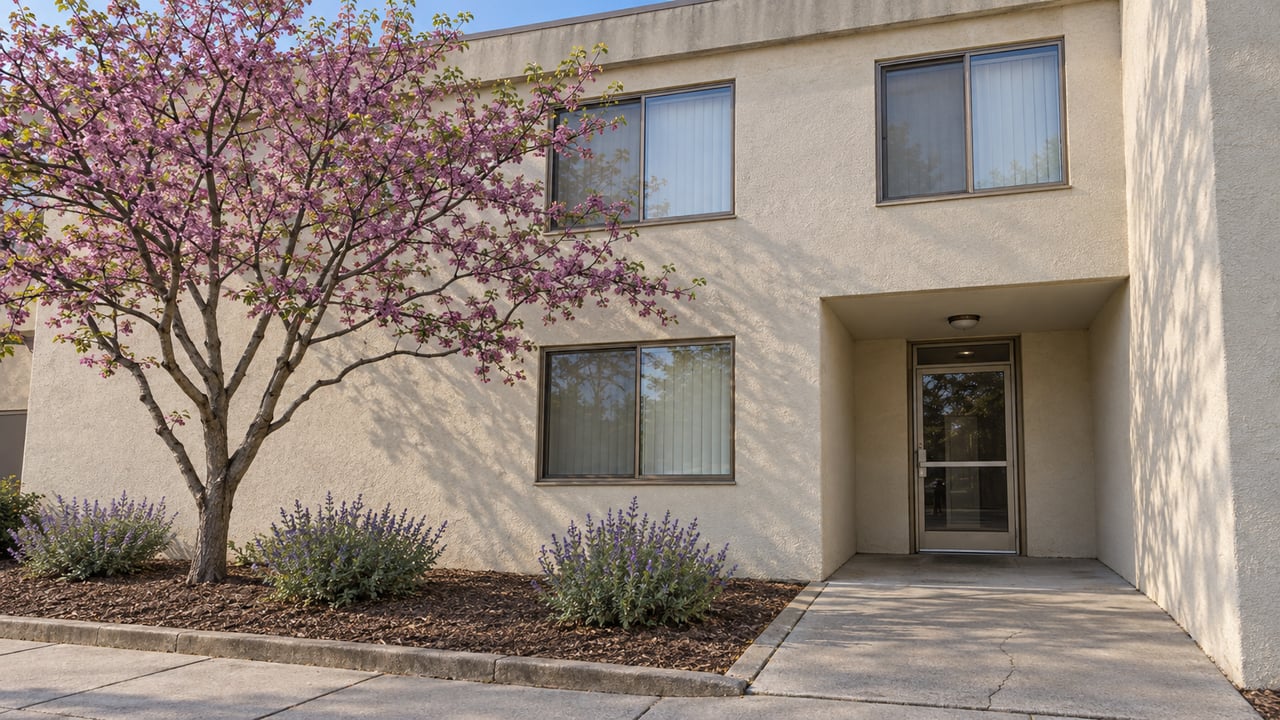
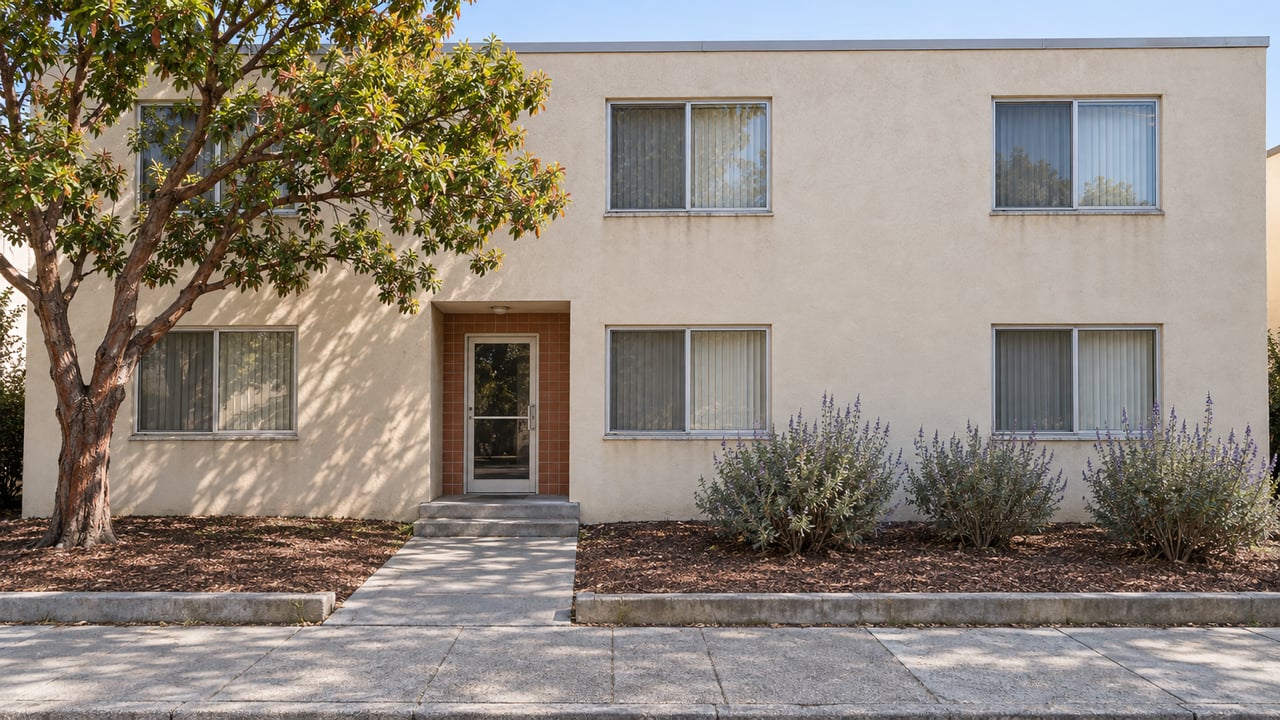
If you are searching for acquisitions here, you will usually be looking at low-rise and mid-rise multifamily properties rather than sprawling suburban complexes. West Hollywood’s planning documents identify low-rise apartments, defined as one to two stories, and mid-rise apartments, defined as three to ten stories, as core apartment types.
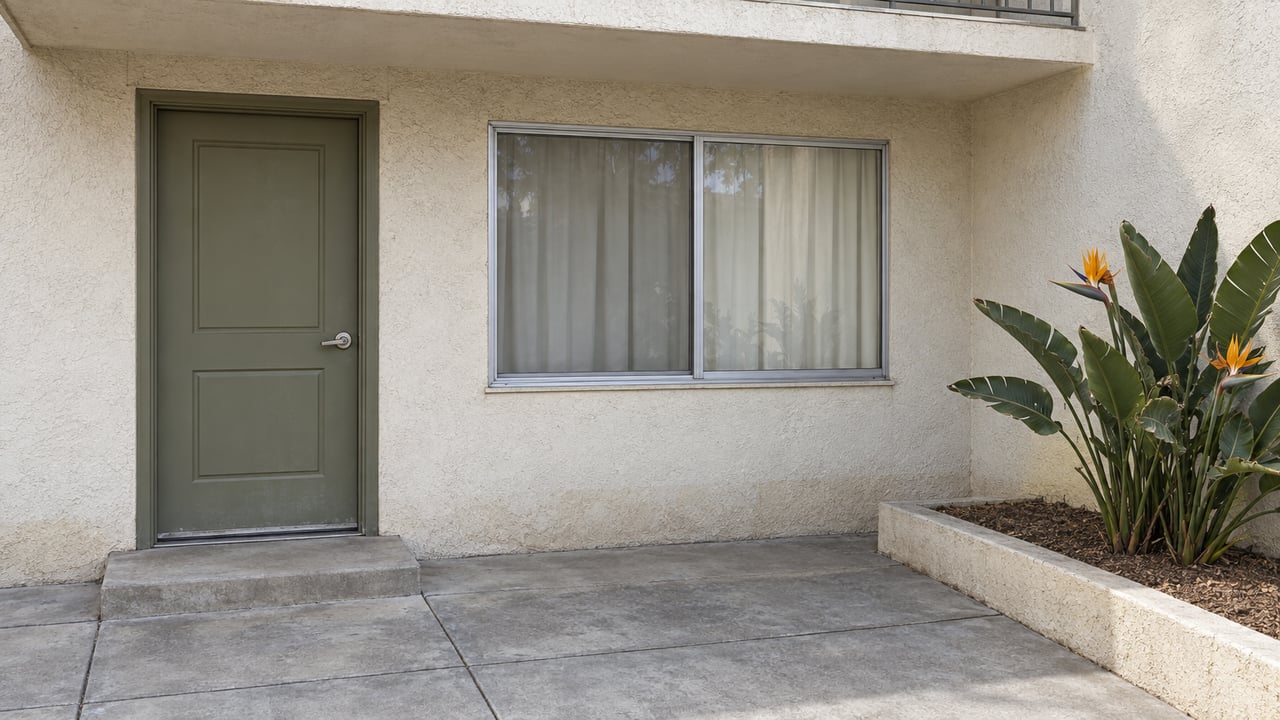
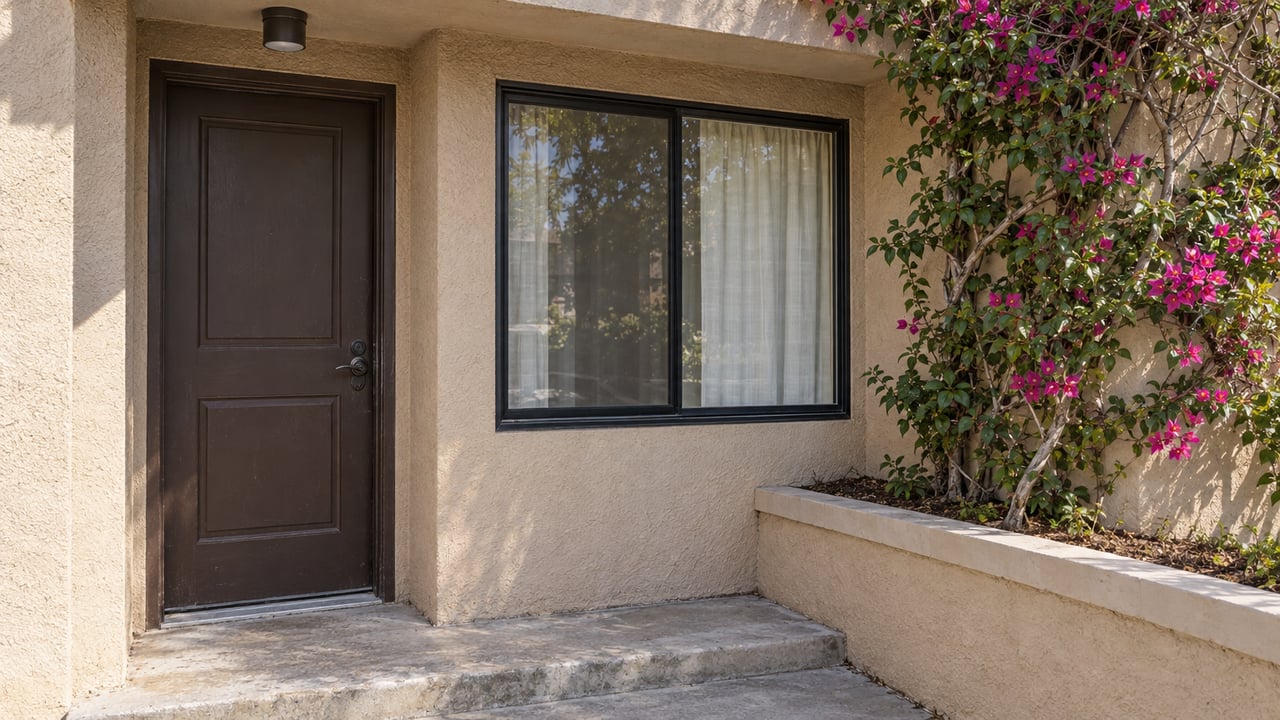
In practical terms, that often means walk-up buildings, courtyard properties, and modest mid-rise assets. For a private buyer, this can align well with value-add strategies, especially if you are comfortable evaluating older systems, deferred maintenance, and phased upgrades.
Why Older Buildings Need Closer Review
Because so much of the city’s housing stock is older, cosmetic improvements alone may not tell the full story. The city specifically highlights rehabilitation incentives for aging apartment buildings and historically designated apartment buildings, which reflects the reality that many properties may need more than simple interior refreshes.
When you review a deal, pay close attention to building systems, structural issues, and exterior conditions. Roofs, plumbing, electrical systems, windows, and common-area infrastructure can all affect your timeline, budget, and long-term returns.
Rent Levels Sit in a Premium Range
Public rent data varies by source, but the broader takeaway is consistent: West Hollywood rents sit in a premium bracket. As of May 2026, Apartments.com reports an average apartment rent of $2,531, including about $2,166 for studios, $2,531 for one-bedrooms, and $3,498 for two-bedrooms.
Other sources show higher averages. RentCafe’s May 2026 market analysis reports an overall apartment average of $3,186, with studios at $2,298, one-bedrooms at $3,317, and two-bedrooms at $4,552. Zillow’s broader rental snapshot reports a $3,350 average across all bedrooms and property types.
For underwriting, the lesson is simple: use rent comps carefully and compare like with like. Unit size, property type, building condition, and rent-control status can create large gaps between one asset and another.
Rent Stabilization Can Shape Returns
West Hollywood is a tightly regulated operating environment, and that has to be part of your investment analysis from day one. The city says about 15,334 of roughly 17,442 multifamily rental units are covered by its Rent Stabilization Ordinance. Units first occupied before July 1, 1979 are covered by the full ordinance.
For the current program year, the city’s annual general adjustment is 2.25%, effective September 1, 2025 through August 31, 2026. The city also states that increases can be applied only once every 12 months.
There are other operating details that affect ownership costs. West Hollywood charges a $144 per-unit registration fee, and the city currently sets security-deposit interest at 4.3%. These may seem like smaller line items, but they matter when you are underwriting a compact building where every expense category counts.
Newer Buildings Follow Different Rules
Not every building is treated the same way. West Hollywood’s tenant FAQ states that new construction with a certificate of occupancy issued after July 1, 1979 is exempt from the Maximum Allowable Rent, although it is not exempt from the eviction code.
That distinction is important when you compare a legacy apartment building with a newer asset. An older property may offer one kind of value-add path, while a newer building may offer a different operating profile and rent strategy.
Renovation Strategy Must Match Local Compliance
In West Hollywood, renovation planning is not just about finishes and contractor bids. It also involves city process and tenant-related requirements. The city requires a Tenant Habitability Plan before work begins at an occupied rental property in certain situations, including seismic strengthening, work that makes a unit uninhabitable, certain remodels, landlord harassment-related situations, or long elevator outages.
The city also states that no construction permits are issued until that plan is approved. For buyers, this means renovation timelines can be affected by local compliance long before the first day of physical work.
Seismic and Building Performance Rules Matter
Some properties face additional obligations based on age and size. West Hollywood’s mandatory retrofit ordinance applies to certain pre-1978 wood-frame buildings with soft, weak, or open-front conditions and uses a staged compliance schedule.
For larger properties, the city’s Existing Buildings Performance Standards ordinance adds another layer. Existing buildings over 20,000 square feet are subject to annual energy benchmarking beginning in 2026, with performance targets starting in 2028.
These rules do not make a deal good or bad on their own. They do mean you should review physical due diligence, compliance status, and future capital needs with extra care.
What Drives Tenant Demand
West Hollywood benefits from a location and identity that support steady renter interest. Visit West Hollywood describes the Sunset Strip as a 1.6-mile corridor known for nightlife, music venues, hotels, restaurants, and walkability, while also noting its position between Hollywood and Beverly Hills.
The city also describes the arts as part of its creative engine. In the housing element, West Hollywood reports that the largest share of resident workers are in Professional Services and the second-largest share are in Arts, Entertainment, and Recreation.
Combined with strong regional job access, those factors support a renter base that values centrality, convenience, and a dense urban setting. For investors, that helps explain why well-located multifamily assets in good operating condition can remain attractive despite a more complex regulatory environment.
What Private Buyers Should Focus On
For most private buyers, West Hollywood is best approached as a market for disciplined, detail-oriented investing. Strong opportunities often come from well-located multifamily properties with realistic renovation potential, not from overly aggressive business plans.
When you evaluate a building here, focus on a few core questions:
- Is the rent-control status clear?
- How old are the major systems?
- Are there seismic or performance compliance issues?
- Does the renovation plan fit local habitability rules?
- Are your rent assumptions based on truly comparable units?
In a market like West Hollywood, execution matters as much as acquisition price. A buyer who understands the city’s building stock, rent rules, and improvement path is better positioned to spot real opportunity and avoid expensive surprises.
Why Strategy Matters in West Hollywood
West Hollywood can be a compelling market for private apartment buyers because it combines premium rents, strong location fundamentals, and a housing base that is overwhelmingly multifamily. At the same time, the city’s older inventory and regulatory framework require a more careful approach than many first-time buyers expect.
If you are considering an acquisition, a 1031 exchange, or a valuation review for a West Hollywood apartment property, the right strategy starts with local multifamily insight and realistic underwriting. To discuss your options, connect with Evans Investment Group.
FAQs
What kind of apartment buildings are common in West Hollywood?
- West Hollywood is dominated by multifamily housing, especially low-rise and mid-rise apartment buildings, with many properties in the five-plus-unit category.
Are most West Hollywood apartment buildings older?
- Yes. The city reports a median year built of 1962, and about 93% of units were built before 1990.
Does rent stabilization affect West Hollywood apartment investments?
- Yes. The city says about 15,334 of roughly 17,442 multifamily rental units are covered by its Rent Stabilization Ordinance, and pre-July 1, 1979 units are generally covered by the full ordinance.
Are newer apartment buildings in West Hollywood treated differently?
- Yes. The city states that new construction with a certificate of occupancy issued after July 1, 1979 is exempt from the Maximum Allowable Rent, though not from the eviction code.
What should private buyers review before renovating a West Hollywood apartment property?
- You should review tenant habitability requirements, permit timing, building systems, possible seismic retrofit obligations, and any large-building performance requirements that may apply.
Why do renters choose West Hollywood apartments?
- City planning data points to strong job access, transit access, and a central location, while local destination data highlights walkability and a well-known dining and entertainment corridor.