If you are trying to understand why West Los Angeles apartments keep drawing both renters and investors, the answer is not just "location." It is access, flexibility, and the way several Westside demand drivers overlap in one connected part of Los Angeles. Whether you are looking for a place to live or evaluating an apartment asset, understanding these layers can help you make a smarter decision. Let’s dive in.
West Los Angeles is not one market
West Los Angeles is best viewed as a group of nearby submarkets, not one uniform neighborhood. The City of Los Angeles West Los Angeles Community Plan includes areas such as West Los Angeles, Century City, Pico-Robertson, Cheviot Hills, Rancho Park, and Sawtelle.
That matters because apartment demand here is shaped by more than one destination. Century City, Westwood, Sawtelle, and surrounding corridors each bring their own mix of jobs, retail, transit access, and local identity. For renters and investors alike, that creates a broader and more resilient story than a single-node market.
Why renters choose West Los Angeles apartments
Access to jobs and campuses
One of the biggest reasons renters choose West Los Angeles is practical access. Century City is a major business hub with more than 2,500 businesses and about 50,000 employees, while Westwood sits next to UCLA and functions as its own active commercial district.
For many renters, that means you are not choosing an apartment based on one commute only. You are choosing a location that can connect you to offices, classes, medical centers, and daily services across several Westside destinations.
Transit keeps improving
Transit plays a bigger role here than many people assume. The Metro E Line runs from East Los Angeles to Santa Monica, and current bus service includes Line 2 to Westwood via Sunset Boulevard, Line 20 to Westwood and Santa Monica via Wilshire Boulevard, and Line 28 to Century City via Olympic Boulevard.
Culver CityBus Rapid 6 also links Westwood and UCLA with the LAX City Bus Center and connects with the Metro E Line at Expo/Sepulveda. On top of that, Metro's D Line Extension continues to strengthen long-term access across the Westside, with Section 1 opened on May 8, 2026, and additional western segments moving toward Century City and Westwood.
For renters, that means more commute options and more flexibility if your work, school, or routines change over time. Even in a car-oriented part of Los Angeles, stronger transit can make an apartment location more useful day to day.
Daily convenience is part of the appeal
Renters also respond to the range of commercial districts nearby. Westwood Village continues to invest in cleanliness, safety, beautification, parking, and marketing, with local activity centered around places like Broxton Plaza and a farmers’ market.
Century City offers a different environment, with office towers, residential buildings, hotels, shopping, and dining all in one district. Westfield Century City alone lists 69 restaurants, adding another layer of convenience and activity.
Then there is Sawtelle, which stands out for its established business district and long-running local identity. Los Angeles City Planning notes legacy businesses in the area, while the Sawtelle Japantown Association focuses on preserving and growing that district’s character.
The area offers flexibility, not sameness
A key reason renters keep choosing West Los Angeles is that it gives you options within a relatively connected geography. You can look for an apartment near a business district, closer to a university area, near established retail streets, or along transit-served corridors.
That variety matters because renter priorities are rarely identical. Some people value job access first, others want easier mobility, and others focus on being near dining and neighborhood services. West Los Angeles tends to work because it can serve several of those goals at once.
Why investors watch West Los Angeles apartments
Demand comes from multiple anchors
For investors, West Los Angeles apartments are attractive in part because demand is not tied to a single source. Century City adds a major employment center, Westwood connects to UCLA, Westwood Village functions as a separate commercial node, and expanding rail service improves access through the broader corridor.
Taken together, these factors support a more durable rental demand profile. Instead of relying on one employer base or one street, many apartment properties in this area benefit from proximity to several independent demand drivers.
Location durability matters
In multifamily investing, strong performance is not just about current rent levels. It is also about how a location holds up over time as renter needs shift. West Los Angeles tends to stand out because it combines jobs, education access, retail activity, and transportation improvements within a mature infill setting.
That mix can support long-term relevance even as market conditions change. For investors thinking beyond the next lease cycle, that is often a more important story than short-term momentum alone.
Regulation requires property-level analysis
One of the most important realities in Los Angeles multifamily investing is that rent regulation is property-specific. According to the Los Angeles Housing Department, the Rent Stabilization Ordinance generally applies to rental properties built on or before October 1, 1978.
Newer units are often outside the city's RSO, but they may still fall under the city's Just Cause rules. California AB 1482 can also apply to some non-RSO units by requiring just cause and capping annual increases at 5% plus CPI, or 10%, whichever is lower.
For investors, this means you cannot underwrite a West Los Angeles apartment opportunity based on the neighborhood name alone. Building age, exemption status, and likely turnover costs all need to be reviewed carefully before you make assumptions about income growth or repositioning potential.
Why building vintage matters in West LA
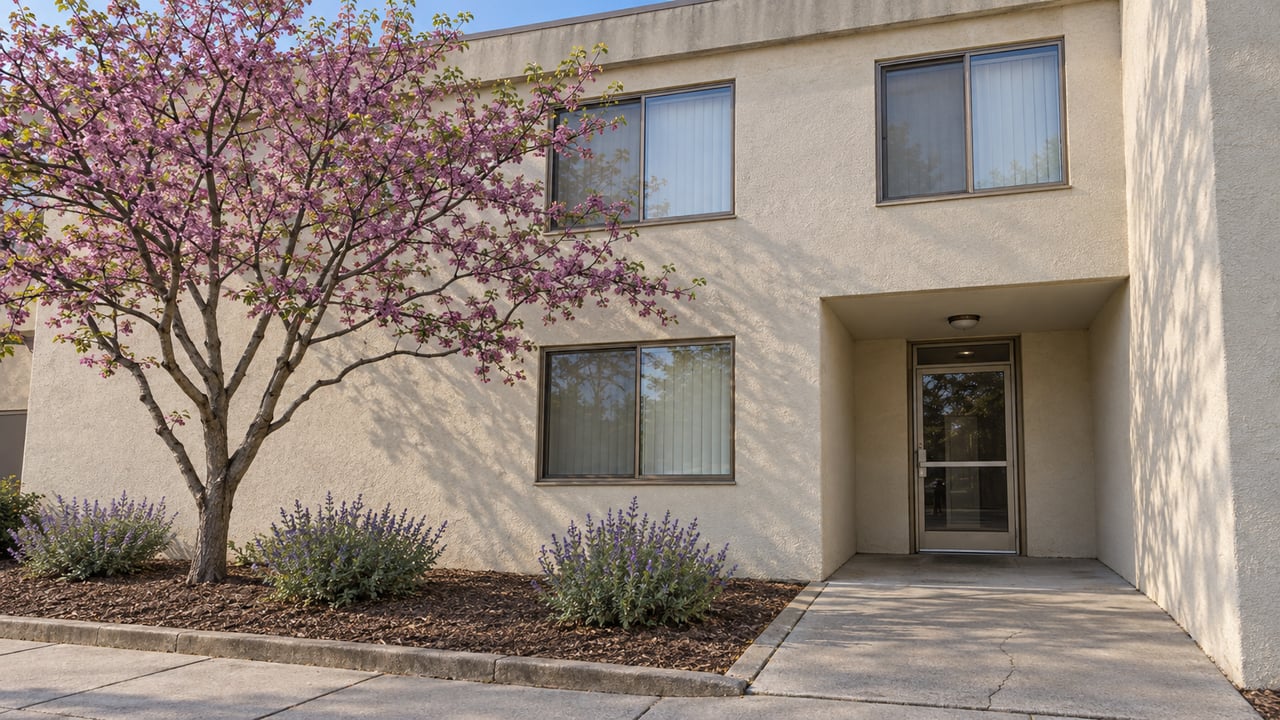
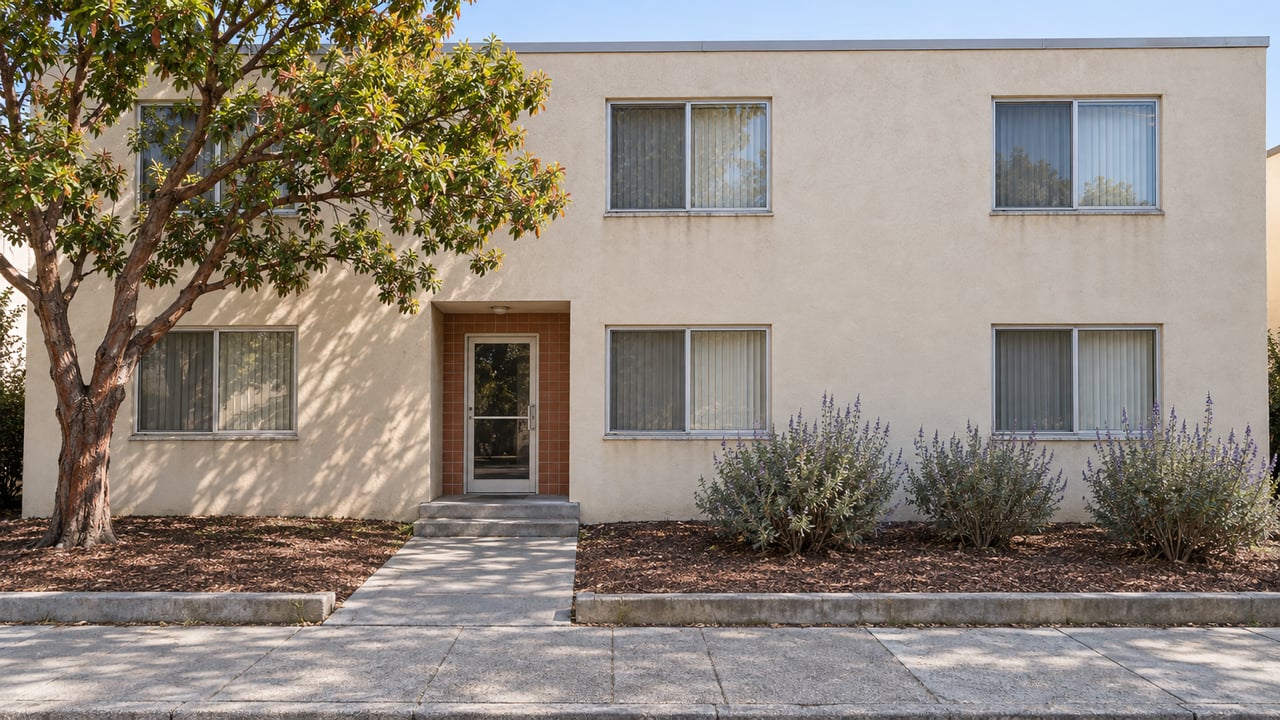
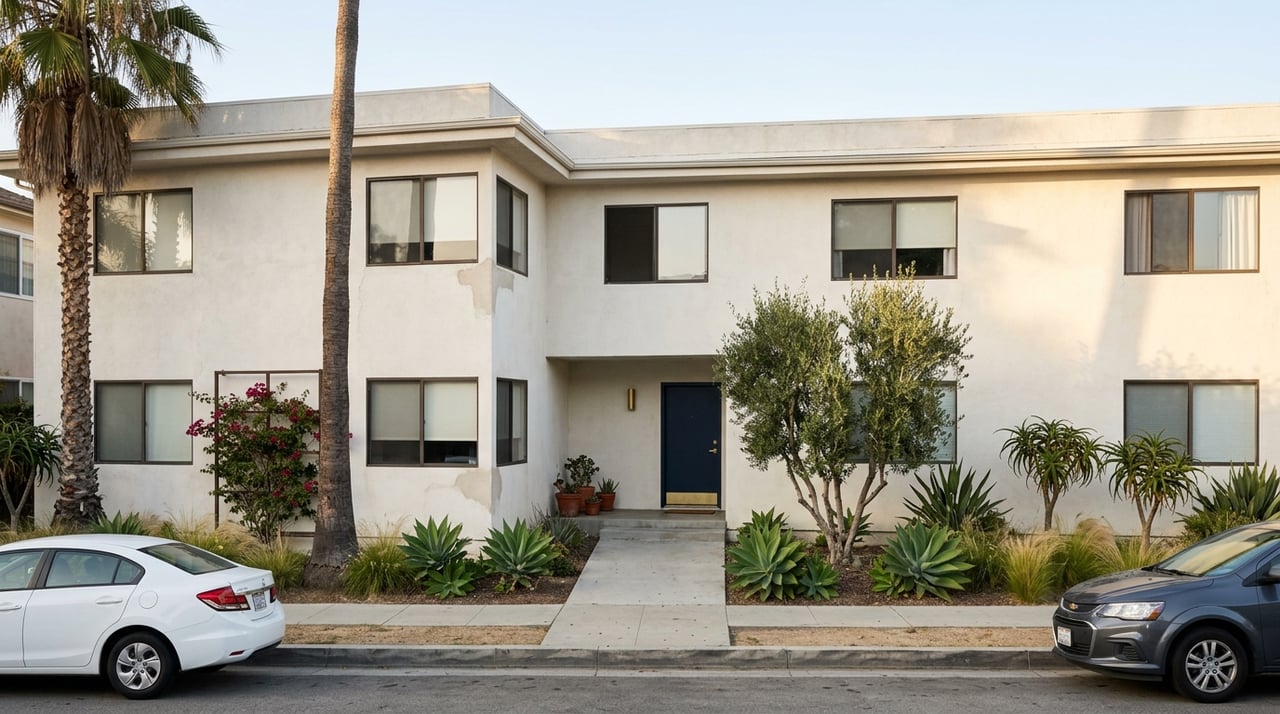
West Los Angeles includes a mix of older low-rise apartment buildings and newer product. That age spread can create very different investment profiles from one property to the next, even if the buildings are only blocks apart.
An older building may offer a different operational strategy than a newer one because regulation, turnover timelines, renovation scope, and rent growth assumptions can vary materially. In a market like this, building-level due diligence is central to good decision-making.
For owners considering a sale, this also affects pricing and buyer pool depth. A well-located property with a clear regulatory profile is usually easier to evaluate than one where coverage and future operating assumptions are unclear.
Planning overlays shape the market
The West Los Angeles Community Plan area includes several overlays and specific plans, including the Exposition Corridor Transit Neighborhood Plan, the Sepulveda Corridor Specific Plan, and the West Los Angeles Transportation Improvement and Mitigation Specific Plan.
For investors, that suggests a more managed infill market. Parking, design review, zoning details, and transit context can all affect redevelopment or repositioning assumptions.
This does not mean opportunity is limited. It means careful property analysis matters more. In West Los Angeles, broad neighborhood appeal is useful, but the details at the parcel and building level often drive the real investment thesis.
What renters and investors both see
Renters and investors are looking at West Los Angeles from different angles, but they often respond to the same fundamentals. Renters want convenience, access, and a location that can adapt to changing routines. Investors want sustained demand, a clear operating story, and assets that remain relevant in a competitive market.
West Los Angeles checks those boxes because it is connected to several major activity centers at once. That overlap helps explain why apartments in this part of Los Angeles continue to draw attention across the market.
If you are evaluating a West Los Angeles apartment building, the strongest opportunities are often the ones that balance location quality with realistic underwriting. That means looking closely at demand drivers, transit access, building vintage, and regulatory status together rather than in isolation.
For owners and private investors, that kind of analysis can make the difference between a property that merely looks good on paper and one that truly fits your long-term strategy. If you are considering a sale, acquisition, valuation, or 1031 exchange involving West Los Angeles apartments, Evans Investment Group can help you evaluate the opportunity with a local, multifamily-focused perspective.
FAQs
What makes West Los Angeles apartments appealing to renters?
- West Los Angeles apartments appeal to renters because the area offers access to major job centers like Century City, proximity to Westwood and UCLA, growing transit options, and a wide range of dining, shopping, and neighborhood services.
Why do investors focus on West Los Angeles apartment buildings?
- Investors focus on West Los Angeles apartment buildings because rental demand is supported by multiple anchors, including office, university, retail, and transit nodes, which can make the area feel more durable over time.
Is West Los Angeles the same as Westwood or Century City?
- No. West Los Angeles is a broader community-plan area, while Westwood and Century City are adjacent submarkets with their own commercial identity and planning context.
Are all West Los Angeles apartments under rent control?
- No. In Los Angeles, rent regulation depends mainly on building age and exemption status. Properties built on or before October 1, 1978 are generally covered by the city's Rent Stabilization Ordinance, while other units may fall under different rules such as Just Cause or AB 1482.
Why does transit matter for West Los Angeles apartments?
- Transit matters because the area already has Metro rail and bus service, connections to LAX through Culver CityBus Rapid 6, and expanding D Line access toward Century City and Westwood, which improves long-term mobility and commute flexibility.