If you own, plan to buy, or simply follow apartment buildings in Sun Valley, one question matters: why do renters keep choosing this part of Los Angeles? The answer is less about flashy luxury features and more about everyday function. In a neighborhood shaped by practical living, commuting access, and steady demand, understanding renter choices can help you see what makes Sun Valley apartment buildings work. Let’s dive in.
Sun Valley has a real renter base
Sun Valley is not a niche rental pocket. According to the latest city planning demographic profile, the community has 86,081 residents and 26,029 dwelling units, with a near-even split between owner-occupied and renter-occupied housing. Renters make up 48.8% of occupied units, which shows that rental housing is a core part of the neighborhood fabric.
That balance matters. It suggests Sun Valley is not driven only by homeownership or only by renting. Instead, it supports a stable mix of households, which can make apartment demand more durable over time.
Household size shapes rental demand
One of the clearest reasons renters choose Sun Valley apartment buildings is simple: the neighborhood fits real household needs. The average household size is 3.49 people, and renter households average 3.30 people. City Planning also reports that 37.5% of households include at least one person under 18.
Those numbers point to demand for usable space, not just a place to sleep. In Sun Valley, renters are often looking for layouts that support daily life, which may include extra bedrooms, practical common areas, and storage. For apartment owners and investors, that helps explain why efficient two- and three-bedroom units can matter so much in this submarket.
Apartment buildings are part of the housing mix
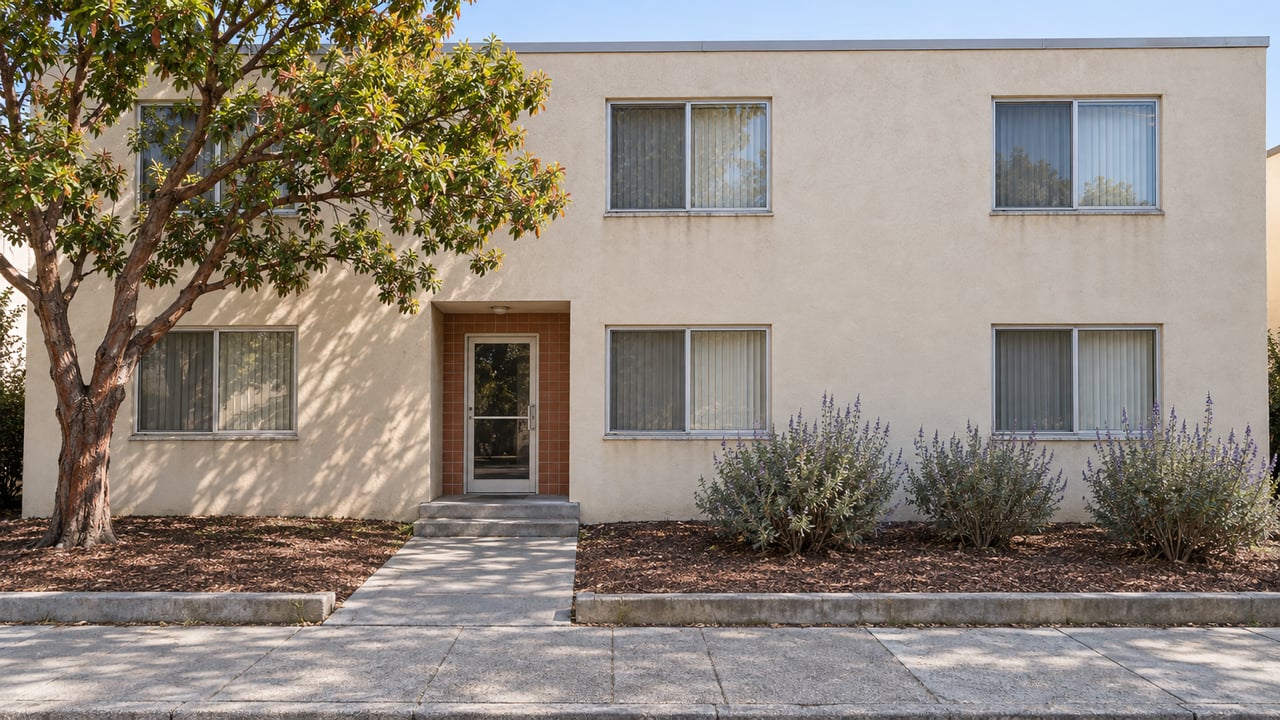
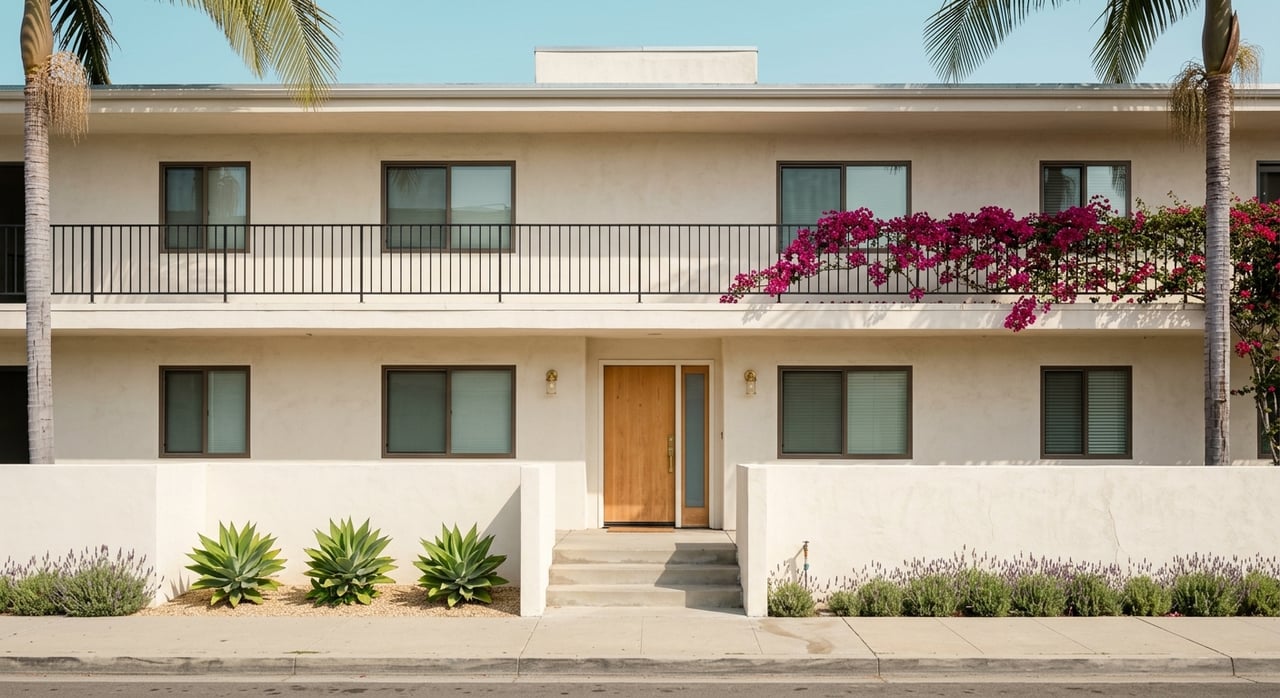
Sun Valley includes a meaningful base of multifamily housing. The current profile shows that 38.9% of housing units are multiple housing units, and earlier ACS-based housing data found that about 19% of units were in buildings with 20 or more units. That means renters have a real apartment inventory to choose from, including small and mid-size buildings.
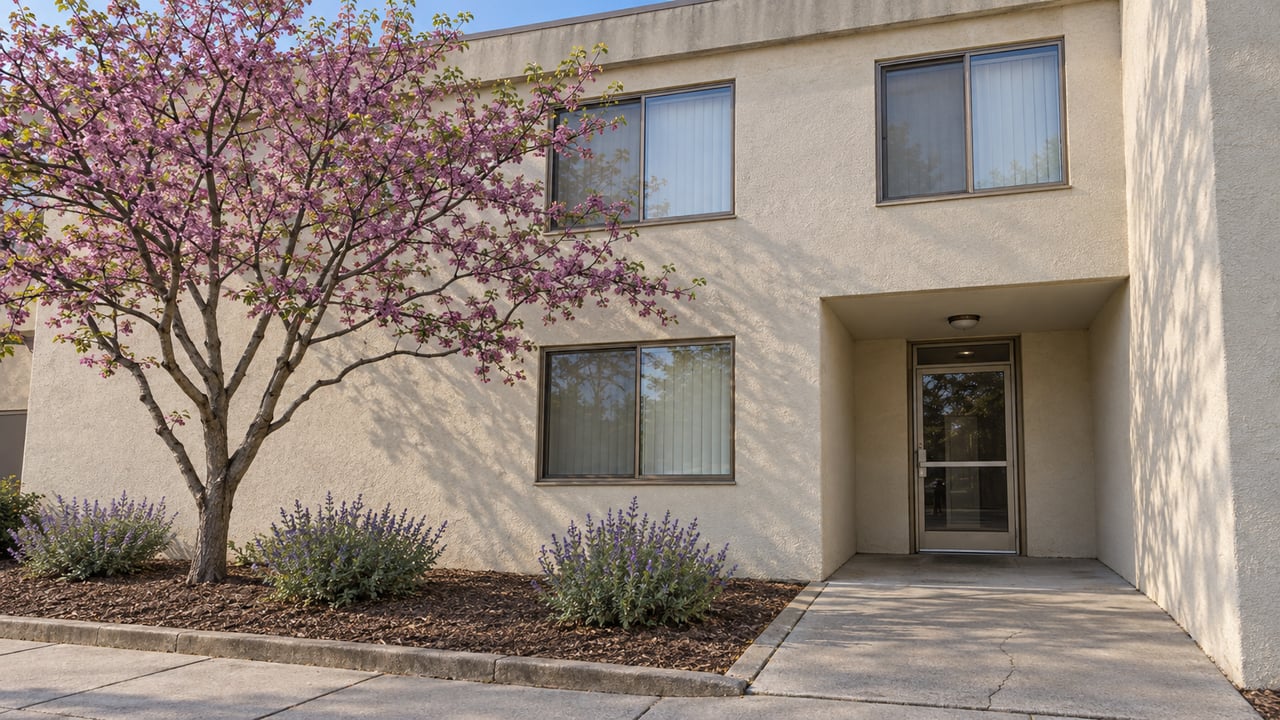
The housing stock also skews older. City Planning reports that 44.2% of units were built in the 1950s and 1960s, while only 11.9% were built in 1990 or later. For renters, that often means the appeal is not brand-new construction. It is location, function, and value within an established neighborhood setting.
Everyday value matters in Sun Valley
Renters often choose Sun Valley because it can offer a practical balance between cost and livability. A 2025 city planning market study based on 2021 ACS data lists Sun Valley’s median gross rent at $1,786 per unit and median rent per square foot at $2.35. Those figures help frame the market around attainable, everyday rental demand rather than high-end positioning.
In a neighborhood like this, renters may place more value on features they use every day. Parking, durable interiors, efficient layouts, and easy access to errands can carry more weight than resort-style amenities. That makes Sun Valley especially relevant for low-rise apartment buildings that are well maintained and well operated.
Commute access supports renter demand
Another major reason renters choose Sun Valley apartment buildings is access. The community plan notes the area benefits from proximity to the Golden State Freeway, Interstate 5, the Hollywood Freeway, SR-170, railroad lines, and nearby airport access. For many renters, that transportation network can make day-to-day travel more manageable.
This kind of connectivity supports a broad range of routines. Whether someone drives across the Valley, travels regionally, or needs access to job centers and service corridors, Sun Valley offers practical positioning. In renter decision-making, convenience often wins.
Bus service adds flexibility
Metro service gives Sun Valley multiple cross-Valley options. Current schedules list Line 166 through Chatsworth and Sun Valley via Nordhoff and Osborne, Line 230 between Studio City and Sylmar via Laurel Canyon, and Line 224 between Hollywood and Sylmar via San Fernando Road and Lankershim.
For renters, that matters because transportation choices do not rely on a single route. A neighborhood with several bus connections can support more flexible work and daily schedules. That adds to Sun Valley’s appeal for households that want options.
Metrolink expands regional access
The Sun Valley Metrolink station at 8360 San Fernando Road adds another layer of convenience. The station includes bike racks, lockers, free parking, 320 parking spaces, and overnight parking. For renters who commute farther or want another transit option, that is a meaningful benefit.
Regional access also matters for people who travel beyond the immediate area. Metrolink notes that Hollywood Burbank Airport can be reached from the Antelope Valley and Ventura County lines with complimentary on-demand shuttle service between stations and terminals from 5:00 a.m. to 12:30 a.m. daily. That kind of connection can strengthen the neighborhood’s practical appeal.
Daily errands are easy to understand
Renters also choose apartment buildings in places where daily life feels straightforward. In Sun Valley, commercial activity is concentrated along Sunland Boulevard, with additional corridor segments along Laurel Canyon and Lankershim. The community plan also identifies Canyon Plaza at Roscoe and Laurel Canyon and the Sun Valley Civic Center on Sunland Boulevard.
These activity nodes give renters recognizable places for errands and services. The Civic Center area includes the Metrolink station, the Sun Valley Post Office, and the Seventh Council District Field Office. For apartment buildings near these everyday destinations, location can become a clear leasing advantage.
Libraries and parks support daily life
Neighborhood amenities also help explain renter choice. The Sun Valley Branch Library at 7935 Vineland offers Wi-Fi, public computers, hotspots, Chromebooks, bike access, parking, and Spanish-language resources. For many households, access to practical community resources like these can make a real difference.
Outdoor space matters too. Recreation assets include the Sun Valley Recreation Center on Vineland and the Fernangeles Recreation Center on Laurel Canyon Boulevard. The community plan also describes six neighborhood parks and one community park, along with 74 acres of neighborhood park land and 17 acres of community park land.
Sun Valley feels established
Some renters prefer neighborhoods that feel settled rather than rapidly changing. Sun Valley’s planning context points in that direction. The community plan describes Sun Valley-La Tuna Canyon as having a low-density residential character and calls for preserving single-family neighborhoods and existing housing stock.
For apartment buildings, that often supports a stable, low-rise environment. Instead of depending on large-scale redevelopment, the market may reward owners who improve operations, maintain properties well, and offer housing that matches local renter needs. That can be appealing to both renters and investors.
Stability can matter more than hype
Sun Valley is not a story of rapid population growth. City Planning reports that population was essentially flat from 2020 to 2024, down 0.2%. That means apartment performance is likely tied more closely to neighborhood fundamentals, turnover, and consistent demand than to explosive growth.
For renters, this can translate into something valuable: predictability. In established submarkets, people often choose neighborhoods because they know what to expect. In Sun Valley, that expectation is practical housing, established streets, and transportation and service access that support everyday routines.
What renters are really choosing
When you put the data together, a clear picture emerges. Renters are choosing Sun Valley apartment buildings because the neighborhood supports practical living. It has a large renter base, household sizes that favor functional layouts, a meaningful apartment inventory, and strong connections to transit, roads, and daily amenities.
That does not mean every building performs the same way. It means the buildings most aligned with local demand are often the ones that focus on the basics renters value most. In Sun Valley, those basics likely include parking, efficient layouts, durable finishes, and easy access to transit and errands.
For apartment owners and investors, that is the real takeaway. Sun Valley’s appeal is grounded in utility, stability, and neighborhood function. If you are evaluating a building, pricing an asset, or looking for your next multifamily opportunity, understanding why renters choose this market can help you make more informed decisions.
If you want a more strategic view of how Sun Valley fits into the broader Los Angeles multifamily market, connect with Evans Investment Group. Their team helps owners and investors navigate apartment building sales, acquisitions, valuations, and 1031 exchange strategy with a focused, local perspective.
FAQs
Why do renters choose Sun Valley apartment buildings over other Los Angeles neighborhoods?
- Renters often choose Sun Valley for practical reasons, including a large apartment base, access to major freeways and transit, everyday service corridors, and housing that fits larger household sizes.
What types of apartment layouts are most relevant in Sun Valley?
- Based on Sun Valley’s household data, efficient two- and three-bedroom layouts are especially relevant because renter households average 3.30 people.
How important is transit access for Sun Valley renters?
- Transit access is a meaningful part of Sun Valley’s appeal because the neighborhood has multiple Metro bus lines, a Metrolink station, and regional access to major roads and Hollywood Burbank Airport connections.
Is Sun Valley a large rental market?
- Yes. City Planning reports that 48.8% of occupied housing units in Sun Valley are renter-occupied, which shows rental housing is a major part of the local market.
What neighborhood features support apartment demand in Sun Valley?
- Key demand drivers include commercial corridors along Sunland Boulevard, Laurel Canyon, and Lankershim, plus the library, recreation centers, parks, and the Civic Center area.
Why does older housing stock matter in Sun Valley?
- Older housing stock matters because much of Sun Valley’s inventory was built in the 1950s and 1960s, which means renters may be prioritizing location, layout, and day-to-day functionality over new-construction amenities.