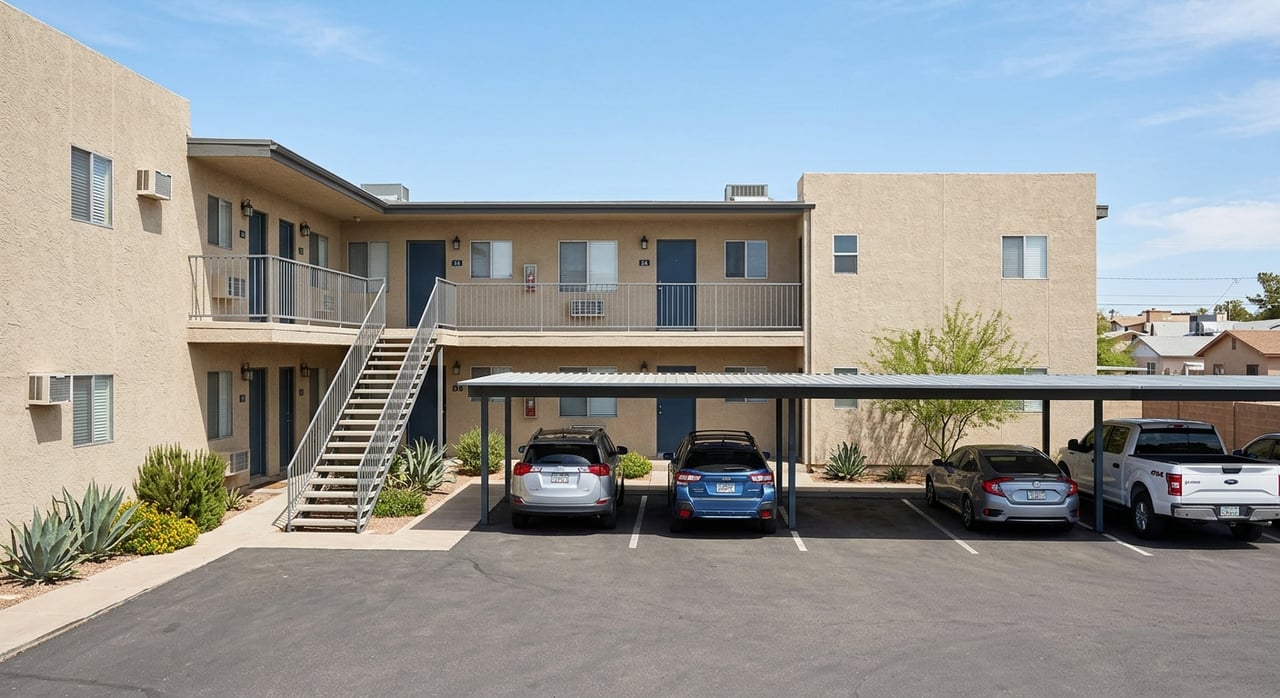
If you are looking for the next San Fernando Valley submarket to watch, Sun Valley deserves a closer look. For many apartment investors, the challenge is finding a location that still offers practical entry points while staying connected to jobs, transit, and daily mobility. Sun Valley stands out because it sits at the intersection of those fundamentals, with an older housing base and a meaningful renter presence that can fit a thoughtful multifamily strategy. Let’s dive in.
Sun Valley’s location matters
Sun Valley sits in the northeast San Fernando Valley near Burbank and North Hollywood. According to the City of Los Angeles, the neighborhood is served by the 5 Freeway, Hollywood Burbank Airport, and the Sun Valley Metrolink Station, while the broader community plan area is also traversed by the 170 and 210 freeways.
That kind of positioning gives Sun Valley more than purely local appeal. It connects the neighborhood to regional commuting routes, airport activity, and major Valley destinations, which can widen the pool of renters who consider the area practical for daily life.
Transit access supports renter demand
For apartment investors, transit access is not just a convenience feature. It can shape how a submarket competes for renters who need predictable access to work and other parts of Los Angeles.
Metrolink’s Sun Valley Station is located on San Fernando Road and sits on the Antelope Valley Line. The station includes free parking, bike racks and lockers, plus transit connections, and the line provides direct service to Burbank Airport-North, Burbank-Downtown, Glendale, and L.A. Union Station.
That direct rail path is a meaningful advantage. It gives renters another way to reach major job centers, which can make Sun Valley attractive to people who want San Fernando Valley access without relying on a single commuting option.
Burbank adds a major employment anchor
One reason Sun Valley is drawing more investor attention is its proximity to Burbank. Burbank is one of the San Fernando Valley’s most important employment centers, with more than 1,000 media and entertainment companies, according to the City of Burbank.
Burbank’s housing analysis report says the city’s daytime workforce exceeds 130,000 jobs. It also identifies major employers such as Disney, Warner Bros., Providence St. Joseph Medical Center, and Hollywood Burbank Airport.
For investors, nearby employment matters because it helps support a durable renter base. Sun Valley benefits from being close to a strong job center without being the same pricing environment as some of its better-known neighboring areas.
Sun Valley fits an industrial-residential market
Sun Valley is not a one-dimensional neighborhood, and that is part of what makes it interesting from an apartment investment perspective. The local community plan describes the area as an industrial-residential market, with industrial uses concentrated along San Fernando Road and east of Clybourn Avenue, including large industrial districts along the railroad corridor.
The same plan highlights the area’s access to the 5 Freeway, the 170 Freeway, rail lines, and the airport as key strengths. It also points to the proximity of housing, jobs, and services as an important planning opportunity.
In practical terms, that means Sun Valley can appeal to renters who value access and functionality. For many multifamily investors, those are the kinds of basics that help support long-term occupancy.
The housing stock points to value-add potential
Sun Valley’s housing profile is another reason investors are paying attention. Los Angeles City Planning’s 2020-2024 Sun Valley-La Tuna Canyon profile shows 26,029 dwelling units and 24,202 occupied units, with 48.8% renter occupancy and 38.9% multiple-housing structures.
That data matters because it shows a real renter base in a neighborhood that also includes substantial detached housing. In other words, Sun Valley is not purely a single-family market, and it already has a meaningful multifamily presence.
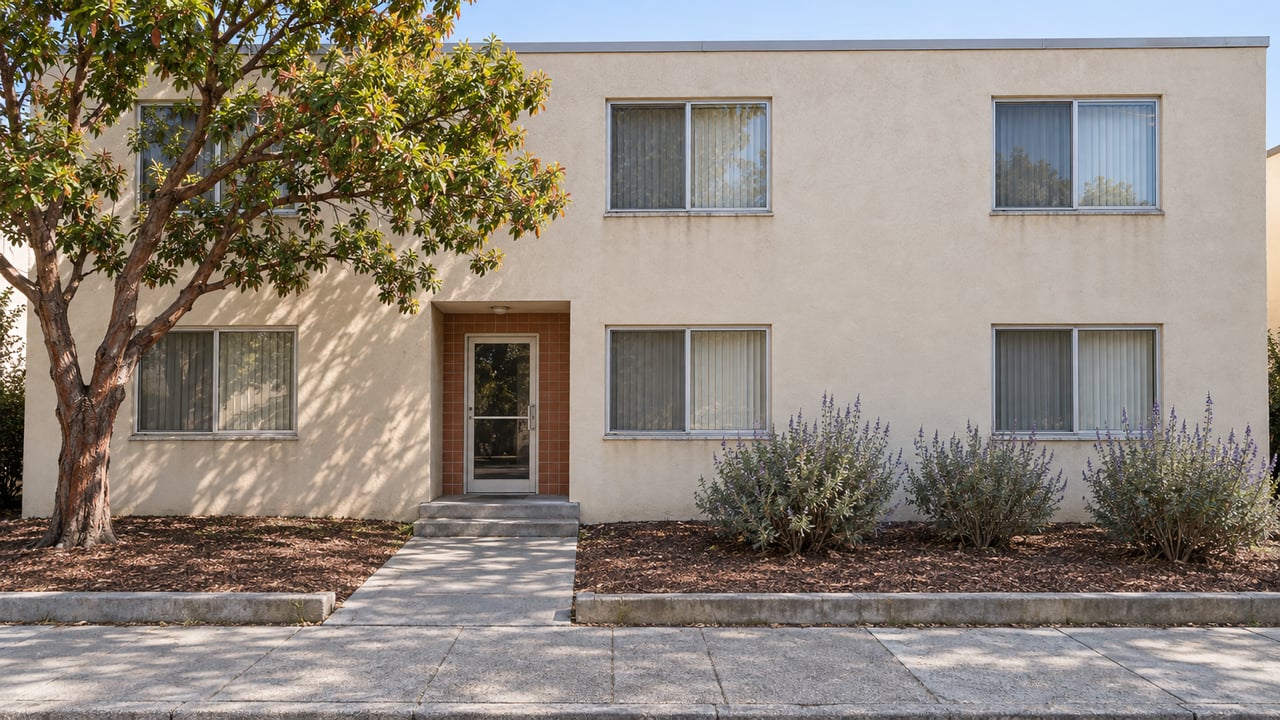
The age of the housing stock is also notable. The 2018-2022 profile shows that only 0.5% of structures were built in 2020 or later, while large shares of the housing inventory were built in the 1940s, 1950s, 1960s, and 1970s.
An earlier city housing summary shows a median year built of 1959. For investors, that suggests an older infill housing base rather than a market dominated by new apartment deliveries.
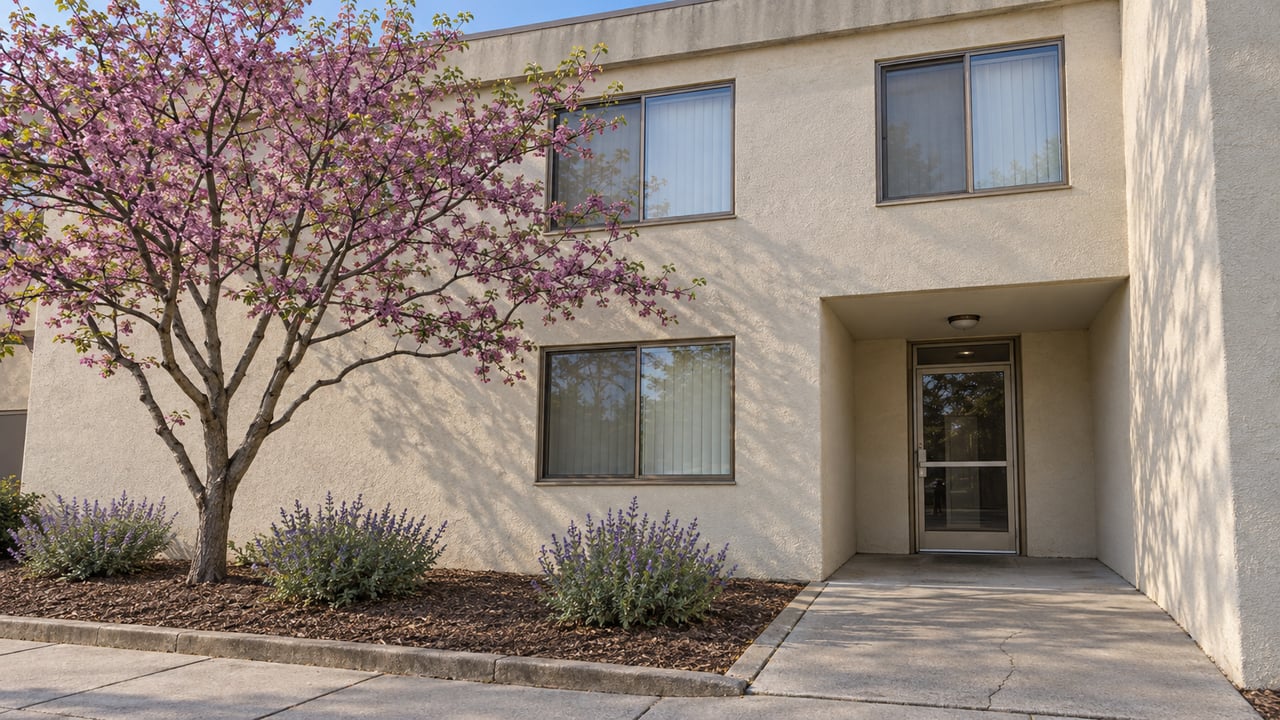
That older stock can be important for buyers looking at repositioning opportunities. While every property needs its own analysis, Sun Valley’s housing mix may appeal to investors who focus on operational improvements, deferred maintenance solutions, or strategic renovations rather than relying on brand-new product.
Why Sun Valley stands out in the Valley
Emerging submarkets often share a few traits: access, employment adjacency, functional housing stock, and room for strategy. Sun Valley checks several of those boxes.
Here is why it is standing out for San Fernando Valley investors:
- Regional connectivity: Access to the 5, 170, and 210 freeways supports movement across the Valley and beyond.
- Rail service: The Sun Valley Metrolink Station creates direct links to Burbank, Glendale, and Downtown Los Angeles.
- Employment access: Nearby Burbank brings a large daytime workforce and several major employers.
- Existing renter base: Nearly half of occupied units are renter occupied.
- Older multifamily inventory: The age of the housing stock may align with value-add strategies in the right deal.
For private investors and apartment owners, that combination can make Sun Valley worth more attention than it has historically received.
Underwriting in Sun Valley requires precision
Opportunity does not mean every block or every property performs the same. Sun Valley’s community plan specifically notes airport-related noise and industrial-residential interface issues, which means location-specific due diligence is especially important.
That is why underwriting in Sun Valley should go beyond broad neighborhood headlines. Corridor placement, building condition, and how a property relates to nearby industrial uses or transportation infrastructure can all affect investor strategy.
This is where a disciplined approach matters most. In a market like Sun Valley, the difference between an average acquisition and a strong one may come down to careful property selection and a realistic plan for improvements, operations, and long-term positioning.
What this means for apartment owners
If you already own an apartment building in Sun Valley, this emerging attention can be meaningful. Buyers may increasingly view the area through the lens of connectivity, employment access, and value-add potential rather than as a secondary Valley location.
That does not automatically mean every asset will command the same response from the market. Properties with better access patterns, stronger condition, or clearer operational upside may draw more interest from private buyers and exchange investors.
If you are considering a sale, valuation becomes especially important in a submarket that is still being understood in real time. A well-prepared pricing and positioning strategy can help frame your property around the factors that matter most to today’s multifamily buyers.
What this means for buyers and 1031 investors
For buyers, Sun Valley may offer a way to stay in the San Fernando Valley while pursuing a more strategy-driven acquisition. The area’s transit access, nearby job base, and older inventory can be appealing if you are looking for an infill multifamily asset with repositioning potential.
For 1031 exchange investors, Sun Valley may also fit a search focused on practical, income-producing properties in established Los Angeles locations. The key is matching the specific asset to your timeline, exchange requirements, and risk tolerance.
In both cases, broad market interest is only the starting point. The real decision comes down to the individual building, the rent roll, the condition, and the micro-location.
Why local strategy matters now
As more investors search for overlooked or evolving apartment submarkets, Sun Valley is likely to stay in the conversation. Its combination of regional access, employment adjacency, renter demand, and older housing stock gives it a profile that many multifamily buyers are actively seeking.
At the same time, this is not a market for assumptions. Investors who do best in Sun Valley are often the ones who understand how to evaluate block-by-block differences, spot realistic upside, and align each acquisition or sale with a larger portfolio plan.
If you are weighing a sale, acquisition, valuation, or 1031 exchange in Sun Valley or the broader San Fernando Valley, working with a multifamily advisor who understands these neighborhood-level details can help you make a more informed move. To discuss your goals, connect with Evans Investment Group.
FAQs
Why are apartment investors looking at Sun Valley?
- Sun Valley is gaining attention because of its access to major freeways, Metrolink service, proximity to Burbank jobs, meaningful renter occupancy, and older housing stock that may suit value-add strategies.
How does Sun Valley connect to major job centers?
- Sun Valley is served by the 5 Freeway and has access to the 170 and 210 freeways, and the Sun Valley Metrolink Station provides direct service to Burbank, Glendale, and L.A. Union Station.
What makes Sun Valley relevant to Burbank employment?
- Sun Valley sits near Burbank, which the City of Burbank says has more than 1,000 media and entertainment companies and a daytime workforce of more than 130,000 jobs.
What does the Sun Valley housing stock look like for investors?
- City planning data shows a meaningful renter base and a large share of older housing built in the 1940s through the 1970s, which suggests an established infill market rather than one dominated by new construction.
What should buyers review before buying an apartment building in Sun Valley?
- Buyers should closely review the specific property location, building condition, surrounding land uses, and any potential airport-related noise or industrial adjacency issues identified in the local planning context.